
Increasing Female Workforce Participation Could Boost GDP by $1.4 Trillion
A CSEP study reveals significant economic potential in women's workforce engagement.
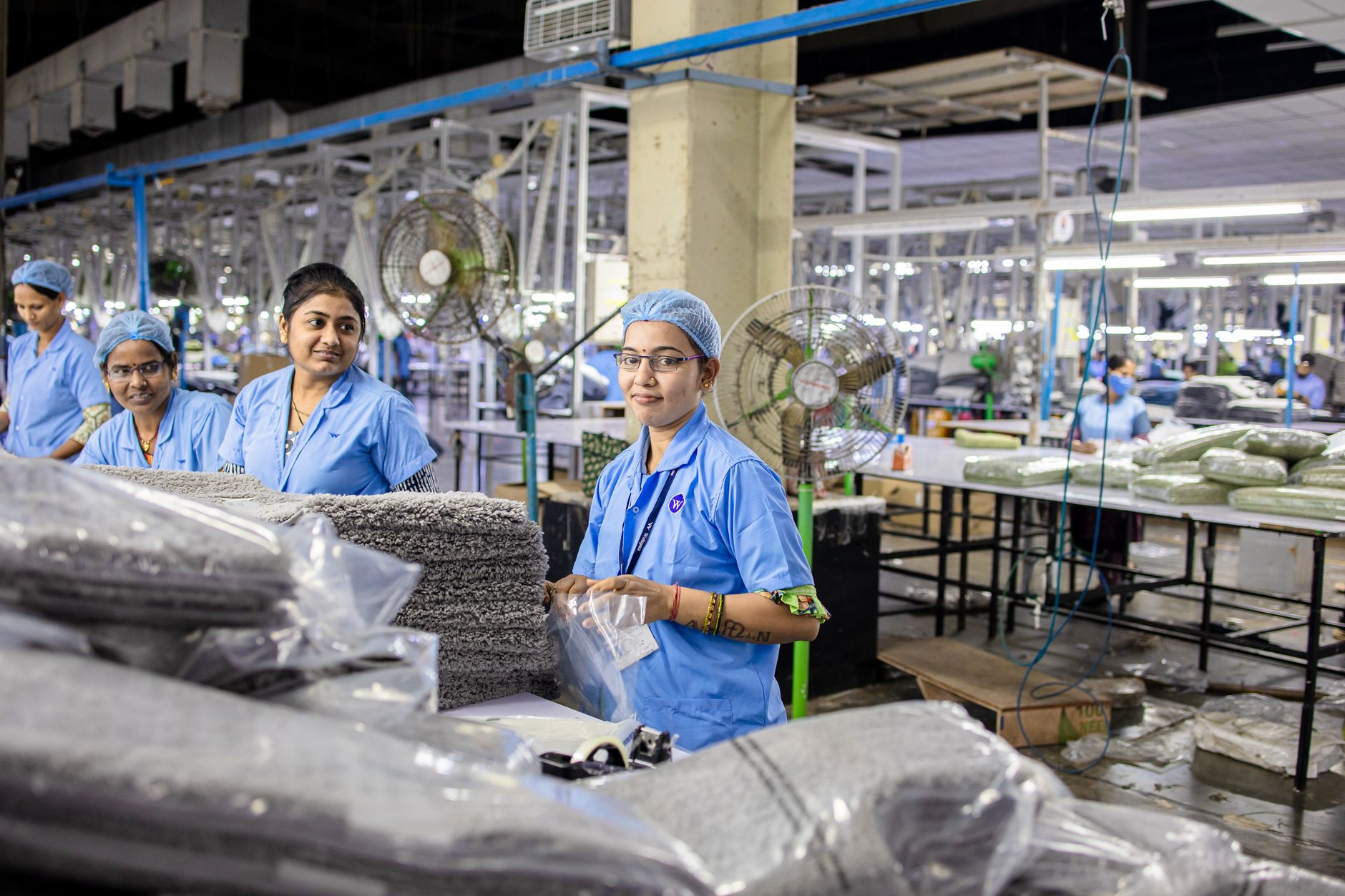
A recent study by the Centre for Social and Economic Progress (CSEP) reveals the immense economic benefits of increasing female workforce participation in India. The research suggests that enhancing women's involvement in the labor market could add between $700 billion and $1.4 trillion to India's Gross Domestic Product (GDP). Currently, female participation in the Indian workforce is around 27%, which is markedly lower than the global average of 48%. Bridging this gap could unlock substantial economic advantages.
The study estimates that a 10% increase in female labor force participation could contribute an additional $700 billion to India's GDP. If participation reaches global averages, the potential increase could soar to $1.4 trillion. This signifies that by empowering women in the workforce, India can significantly boost its economic growth.
However, several barriers hinder women's participation. These include socio-cultural norms, limited access to quality education and training, inadequate childcare facilities, and workplace discrimination. Addressing these challenges is essential to fully realize the female workforce's potential.
The CSEP study outlines several policy recommendations to promote female workforce participation. Enhancing education by improving access to vocational training for women is crucial. Expanding affordable childcare facilities can support working mothers in balancing their responsibilities. Implementing gender-sensitive workplace policies will create a more inclusive environment for women. Moreover, conducting awareness campaigns can change societal perceptions about women's roles, reducing stigma and encouraging participation.
Globally, countries that have successfully increased female workforce participation have witnessed notable economic growth. Nations like Sweden and Norway have implemented policies supporting gender equality in the workplace, resulting in higher GDP growth rates. Similarly, Rwanda has achieved over 60% female workforce participation, positively impacting its economic development. India can learn from these successful models to formulate effective strategies.
The CSEP study serves as a wake-up call for policymakers in India to take actionable steps towards increasing female workforce participation. By investing in women and dismantling barriers, India can unlock tremendous economic potential that will benefit the entire nation. Based on reports from Google News — Indian Economy.
Frequently asked
Why is increasing female workforce participation important?+
It can significantly boost economic growth and GDP.
What barriers do women face in joining the workforce?+
Women face challenges like cultural norms, lack of education, and inadequate childcare.
Based on reports from Google News — Indian Economy.
More in Economy
View all →₹
Economy
PM Modi Presents India's Development Model in New Zealand
50m ago
₹
Economy
PM Modi Presents India's New Development Model in New Zealand
50m ago
₹
Economy
PM Modi Presents India's New Development Model in New Zealand
50m ago
₹
Economy
PM Modi Presents India's New Development Model in New Zealand
50m ago
₹
Economy
Economist Surjit Bhalla Critiques India's 2047 Ambitions
1h ago
₹
Economy
Surjit Bhalla Critiques India's Ambition for Viksit Bharat 2047
1h ago