
Weak Monsoon Forecast May Hinder India's Consumer Spending Growth
A below-normal monsoon threatens rural consumption and economic stability.
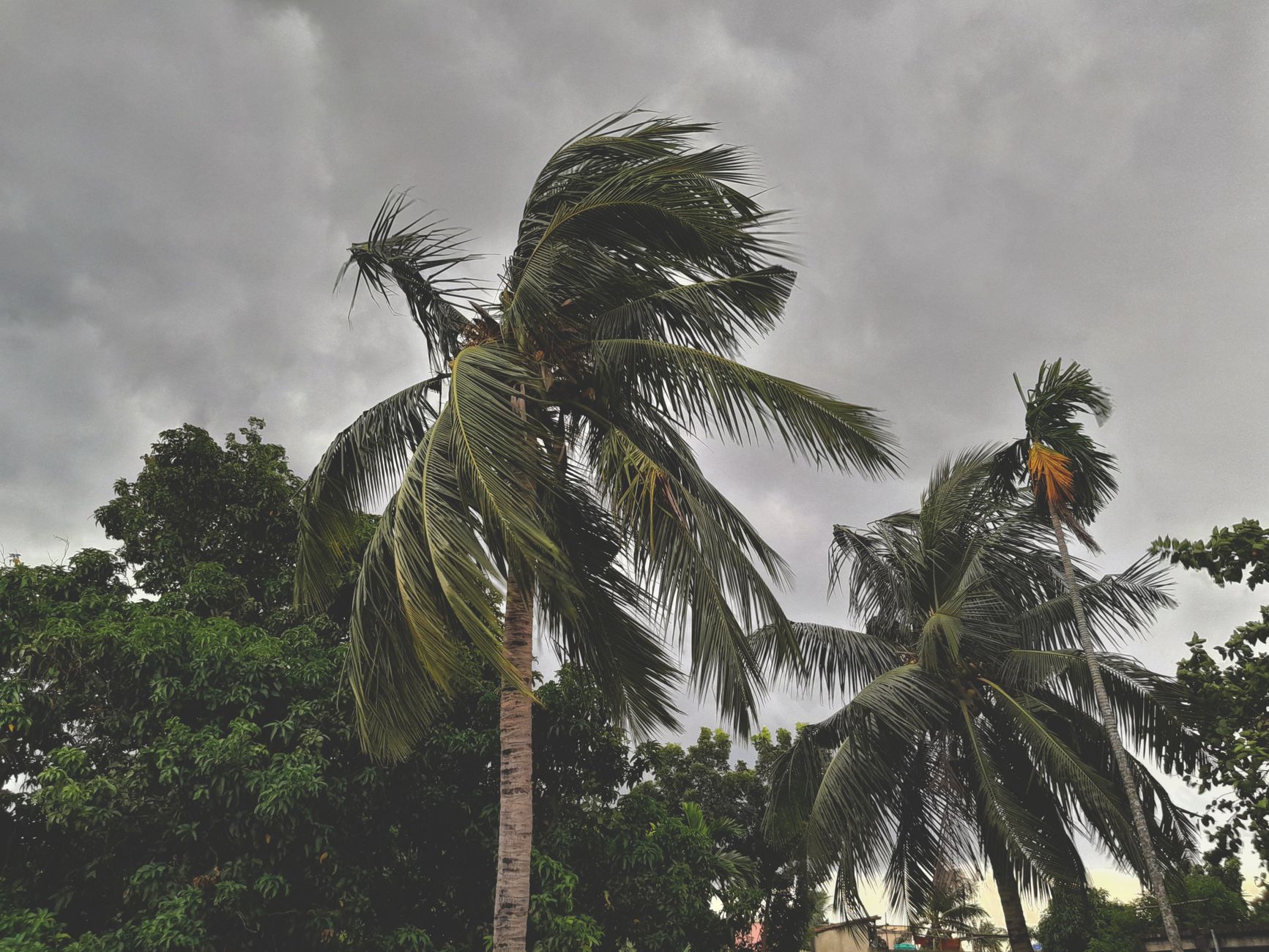
The Indian economy is bracing for challenges as the monsoon season approaches. A weak monsoon has potential far-reaching consequences on agricultural productivity, which directly affects consumer spending across various sectors. This analysis examines how a deficient monsoon could disrupt India's consumption story and the implications for the overall economy.
According to the India Meteorological Department (IMD), the monsoon is expected to be below normal this year, with predictions indicating a rainfall deficiency of at least 10-15%. This shortfall could severely impact the Kharif crop season, crucial for farmers and the economy. A weak monsoon directly affects agricultural output, particularly for vital crops like rice, pulses, and oilseeds. A decline in crop yield can lead to lower income for farmers, reducing their purchasing power. As a result, the rural economy, which heavily relies on agriculture, may experience a slowdown in demand for consumer goods.
Consumer spending is a vital component of India's economic growth. In recent years, rural consumption has been a key driver, supported by favorable monsoon seasons. However, with a poor monsoon forecasted, analysts predict a decline in rural demand for non-essential items such as electronics, automobiles, and luxury goods.
The impact of a weak monsoon will vary across different sectors. Fast-Moving Consumer Goods (FMCG) companies may see a drop in sales in rural areas, as consumers prioritize essential goods over discretionary spending. The automobile sector, particularly two-wheelers, may face reduced demand as farmers cut back on spending. Additionally, the textile and apparel industry, which relies on rural consumption, could also be adversely affected.
In response to the potential challenges posed by a weak monsoon, the Indian government may need to implement measures to support the agricultural sector. This could include increasing the minimum support price (MSP) for crops, providing financial assistance and loans to farmers affected by crop failures, and enhancing irrigation facilities to mitigate the impact of erratic rainfall.
While immediate concerns about a weak monsoon are valid, it is essential to consider long-term strategies for improving agricultural resilience. Investments in technology, better farming practices, and crop diversification can help mitigate the risks associated with climate variability.
In conclusion, a weak monsoon poses significant risks to India's consumption story, particularly in rural areas. The potential decline in agricultural output could lead to reduced consumer spending, impacting various sectors of the economy. Policymakers must take proactive measures to support farmers and ensure that the economy remains on a growth trajectory. Based on reports from Google News — Indian Economy.
Frequently asked
How does the monsoon affect the economy?+
The monsoon impacts agricultural productivity, which influences consumer spending and overall economic growth.
What can the government do to help farmers?+
The government can increase support prices, provide financial aid, and improve irrigation facilities.
Based on reports from Google News — Indian Economy.
More in Economy
View all →
PM Modi Presents India's New Development Model in New Zealand
1h ago
PM Modi Presents India's Development Model in New Zealand
1h ago

PM Modi Presents India's New Development Model in New Zealand
1h ago
PM Modi Presents India's New Development Model in New Zealand
1h ago

Economist Surjit Bhalla Critiques India's 2047 Ambitions
1h ago

Surjit Bhalla Critiques India's Ambition for Viksit Bharat 2047
1h ago