
India's Economy at Risk Due to US-Iran Conflict and Rising Oil Prices
Geopolitical tensions could lead to economic instability for India.
BEARISH· HIGH
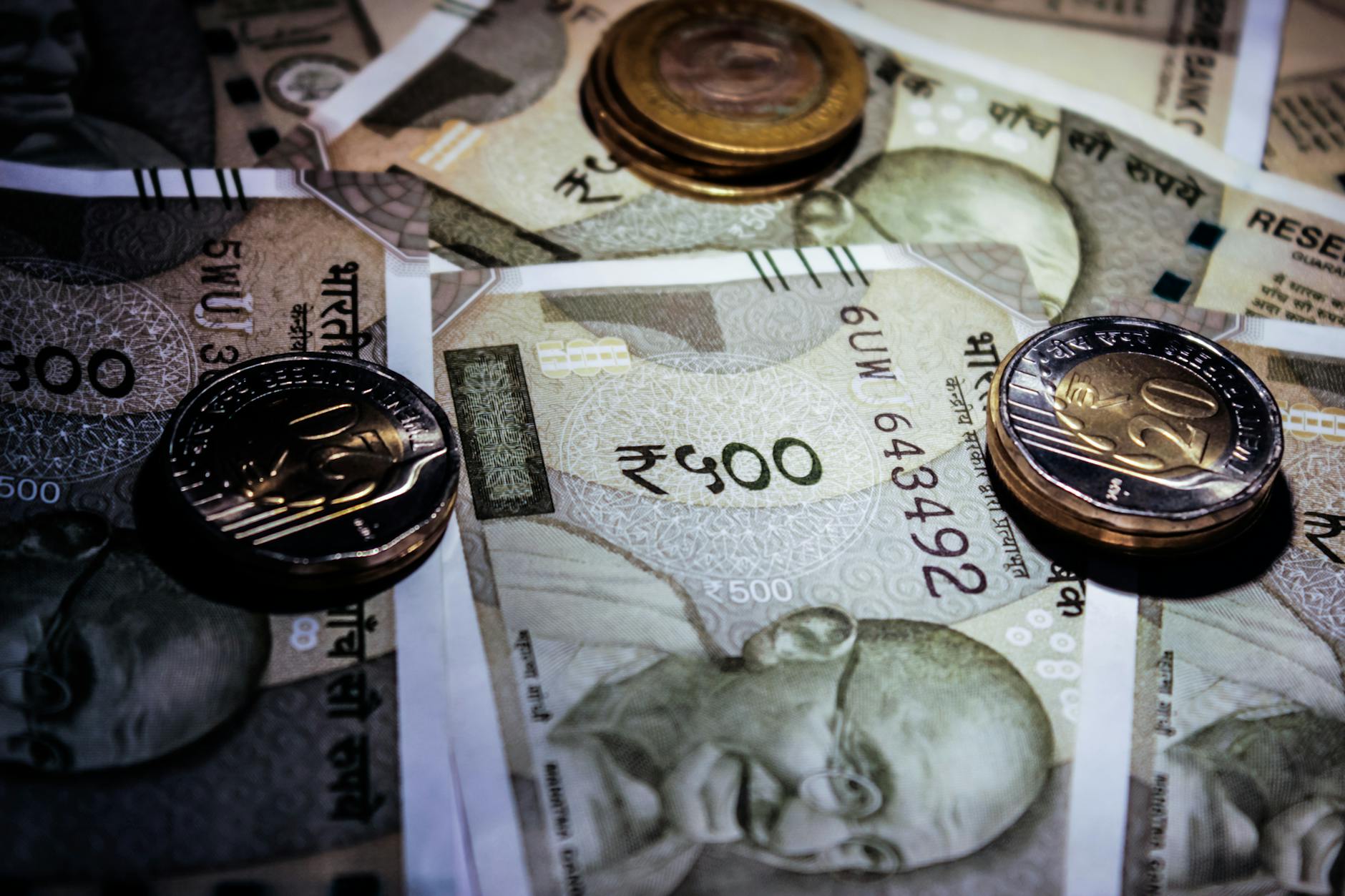
India is currently navigating a precarious economic landscape, worsened by the ongoing tensions between the United States and Iran. The geopolitical conflict has significant implications for India's economy, especially in the energy sector, which heavily relies on oil imports. As one of the largest importers of crude oil, India is particularly vulnerable to fluctuations in global oil prices. In 2022, India imported approximately 85% of its oil requirements, with a significant portion sourced from the Middle East. Increased oil prices directly translate to higher inflation rates in India. The Reserve Bank of India (RBI) aims to keep inflation within the target range of 2% to 6%. However, persistent increases in oil prices could push inflation beyond this range, leading to tighter monetary policy and potentially stalling economic growth. The ongoing conflict could also disrupt trade relations and supply chains. India's exports could face challenges if global markets react negatively to the situation. Industries dependent on imported raw materials might experience delays and increased costs, further straining the economy. To mitigate the effects of the crisis, the Indian government must adopt proactive measures. This includes diversifying energy sources and enhancing domestic production capabilities. Investing in domestic energy production, including solar and wind energy, can help India become more self-sufficient. The government has set ambitious targets for renewable energy capacity, aiming to reach 175 GW by 2022 and 450 GW by 2030. Achieving these targets will be crucial in reducing vulnerability to external shocks. Additionally, strengthening diplomatic ties with other oil-producing nations can help secure more stable oil supplies. Engaging in multilateral discussions to promote peace and stability in the region is essential for safeguarding India's economic interests. The current crisis presents a critical juncture for India. A prolonged conflict could lead to severe economic repercussions, including job losses and decreased consumer spending. It is imperative for policymakers to act swiftly to address these challenges and implement strategies that foster resilience in the face of external pressures. In conclusion, the US-Iran conflict poses significant risks to India's economy. The government must prioritize immediate action to mitigate potential fallout and ensure long-term economic stability. By diversifying energy sources and strengthening diplomatic relations, India can navigate these turbulent times more effectively. Based on reports from Google News — Indian Economy.
Impact analysis
BEARISHRising oil prices could lead to inflation and impact growth.
- →Higher oil prices may increase inflation rates.
- →Potential for tighter monetary policy from RBI.
- →Disruptions in trade could affect various sectors.
Stocks:RELIANCETCS
Sectors:BFSIIT
Horizon: short term
What to watch next
Monitor oil price trends and any diplomatic developments between the US and Iran.
Frequently asked
How will US-Iran tensions affect Indian consumers?+
Higher oil prices can lead to increased costs for goods, affecting consumer spending.
What steps is India taking to reduce oil dependence?+
India is investing in renewable energy and improving domestic production capabilities.
Based on reports from Google News — Indian Economy.
More in Economy
View all →
Impact of US-Iran War on India's Economy and Stability
9h ago

India's Economic Stability at Risk Amid US-Iran Tensions
9h ago
India Faces Economic Challenges Amid Ongoing US-Iran Conflict
9h ago

Impact of US-Iran War on India's Economic Stability
9h ago

India Emerges as a Solar Superpower with Skilled Workforce
21h ago
UN Climate Chief Declares India A Solar Superpower
21h ago