India's Forex Reserves Hit 1-Year Low as RBI Defends Rupee
Central bank intervention drains reserves amid capital outflows and dollar strength
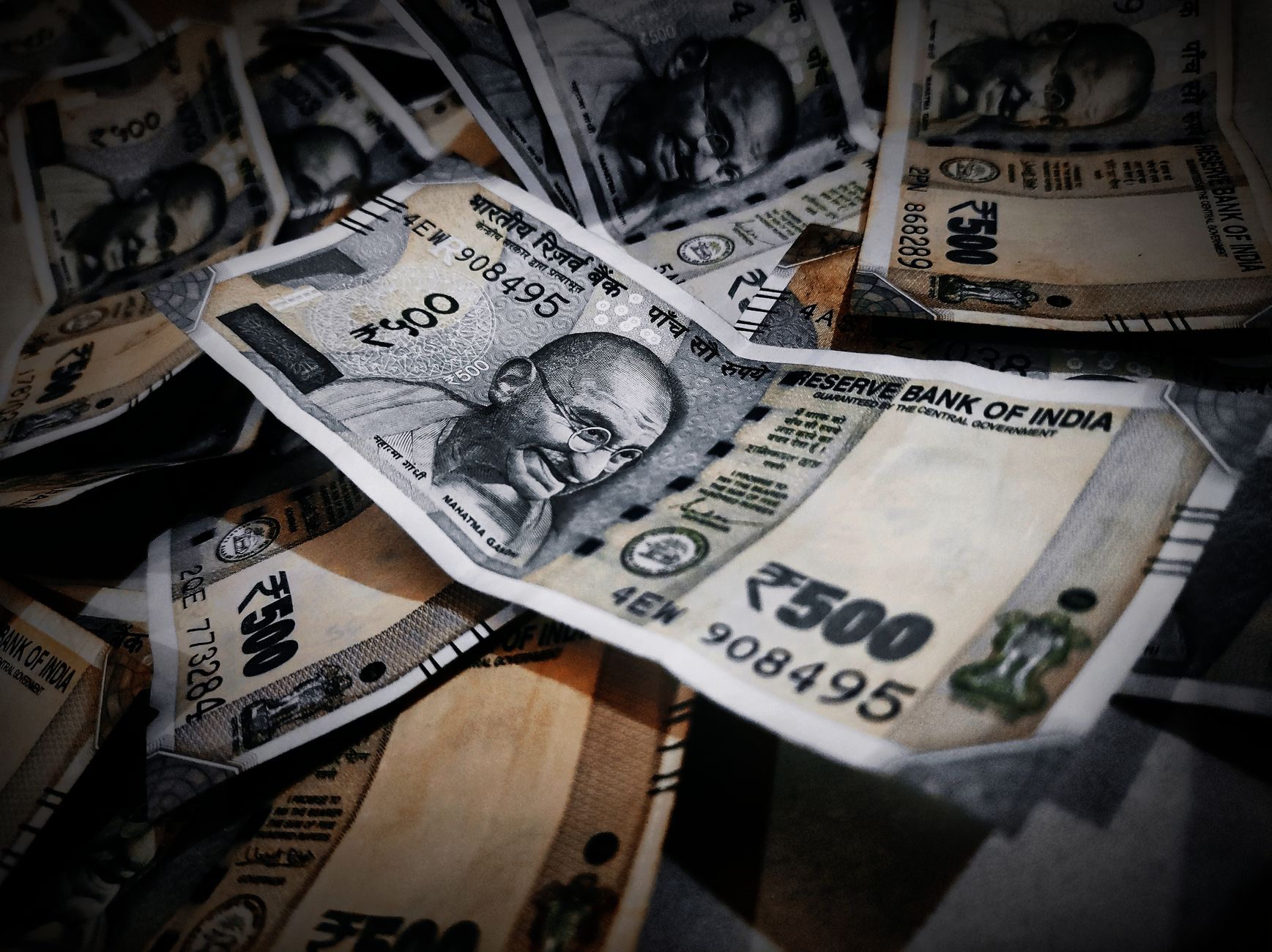
RBI Intervention Pushes Reserves to 12-Month Low
India's foreign exchange reserves have fallen to their lowest level in over a year as the Reserve Bank of India actively defends the rupee against depreciation pressures. The decline is a direct consequence of RBI's strategic intervention in currency markets, where it sells dollars from its reserves to support the domestic currency.
This isn't an accidental dip. The central bank has been deliberately drawing down its dollar stockpile to prevent sharper rupee weakness as global capital flows reverse and the US dollar strengthens worldwide.
How the Rupee Defence Works
When the rupee weakens, the RBI steps into the forex market and sells dollars while buying rupees. This action increases dollar supply in the market and helps stabilize the exchange rate. The trade-off is clear: every intervention reduces India's overall forex reserve position.
India's forex reserves serve as a crucial safety net. They provide import cover (typically measured in months), build confidence among foreign investors, and ensure the country can meet its external payment obligations during crises. The reserves include foreign currency assets, gold holdings, and Special Drawing Rights with the IMF.
The recent drawdown reflects global headwinds. Rising US interest rates have made dollar assets more attractive, prompting foreign institutional investors to pull money out of Indian markets. The interest rate differential between India and the United States has widened significantly, creating sustained selling pressure on the rupee.
External Pressures Mount
The rupee has struggled throughout this global rate-tightening cycle, periodically ranking among Asia's worst-performing currencies. Foreign portfolio investors have withdrawn billions from Indian equity and debt markets in recent months, chasing higher yields in developed economies.
The US Federal Reserve's aggressive monetary policy has compounded these challenges. With American rates climbing rapidly, global investors find dollar-denominated investments comparatively more rewarding than rupee assets. This shift creates continuous outflow pressure.
Crude oil prices add another layer of complexity. India imports roughly 85% of its oil requirements, so elevated global petroleum prices balloon the import bill. Higher imports mean greater demand for foreign currency, which naturally pressures the rupee downward.
Balancing Act for Policymakers
The one-year low in forex reserves raises important questions about intervention sustainability. While defending the currency prevents panic and smooths volatility, the strategy inevitably depletes reserves over time. The RBI must weigh currency stability against maintaining adequate reserve buffers.
International benchmarks suggest reserves should cover at least three months of imports. Despite the recent decline, India's reserve position likely remains comfortable by global standards, though the downward trend deserves close monitoring.
The central bank may explore complementary approaches. These could include allowing greater rupee flexibility to reduce reserve drain, implementing regulatory measures to moderate capital outflows, or using forward guidance to shape market expectations without constant intervention.
What Lies Ahead
The outlook for India's forex reserves hinges on several variables: global capital flow patterns, crude oil price movements, the US Federal Reserve's policy path, and RBI's own strategic choices. If conditions improve—perhaps through US rate cuts or renewed emerging market optimism—capital could flow back into India, naturally supporting the rupee and allowing reserve rebuilding.
However, if current pressures persist, the RBI faces difficult choices. Continued aggressive intervention will further erode reserves, while permitting more depreciation could stoke inflation and complicate import economics for businesses reliant on foreign goods.
Market watchers will scrutinize the RBI's weekly balance sheet updates and policy communications for clues about reserve management strategy. Any significant further decline could trigger policy recalibration or altered communication aimed at managing depreciation expectations through messaging rather than pure dollar sales.
The situation highlights challenges facing emerging market central banks during global monetary tightening. India's response will likely blend measured intervention with fiscal discipline and structural reforms to improve the current account deficit and attract stable, long-term foreign investment rather than volatile portfolio flows.
Based on reports from Google News — Finance India.
Impact analysis
MIXEDFalling forex reserves signal currency stress, potentially raising import costs and inflation concerns. RBI's defensive stance may limit rupee volatility but depletes the buffer against future shocks.
- →Import-heavy sectors face margin pressure if rupee depreciation accelerates despite RBI intervention
- →Banks and financial institutions may see currency trading volatility increase as reserves decline
- →IT and pharma exporters could benefit from rupee weakness, though global demand headwinds remain
What to watch next
Monitor the RBI's weekly reserve data releases and US Federal Reserve policy signals. Any pause in US rate hikes or stabilization in crude oil prices could ease pressure on India's reserves and the rupee.
Frequently asked
Why are India's forex reserves falling?+
The RBI is actively selling dollars from its reserves to support the rupee against depreciation pressure caused by foreign capital outflows and a stronger US dollar. Each intervention reduces the overall reserve stockpile.
Is the decline in forex reserves a concern for investors?+
While reserves remain adequate by international standards, the declining trend signals external stress and limits RBI's ability to defend the rupee indefinitely. Investors should watch for continued drawdowns that could force policy changes or sharper currency depreciation.
Which sectors benefit or suffer from falling forex reserves?+
Import-dependent sectors like oil, electronics, and metals face higher costs if rupee depreciation accelerates. Export-oriented sectors like IT and pharmaceuticals may benefit from rupee weakness, though global demand matters more for their performance.
How low can India's forex reserves go before it becomes critical?+
International norms suggest reserves should cover at least three months of imports. India's reserves currently provide comfortable coverage, but sustained decline below this threshold could trigger credit rating concerns and capital flight.
Based on reports from Google News — Finance India.
More in Markets
View all →
EPFO 3.0 Proposal to Include Gig Workers in Pension Scheme

EPFO 3.0 Proposal to Include Gig Workers in Pension Scheme

EPFO 3.0 Proposal Aims to Include Gig Workers in Pension Scheme
EPFO 3.0 Proposal to Include Gig Workers in Pension Scheme

EPFO 3.0 Proposal Aims to Include Gig Workers in Pension Scheme