India's Polymer Currency Shift: RBI Eyes 10-Year Banknote Lifespan
Transition from paper to polymer notes promises durability, security, and long-term cost savings for Indian economy.
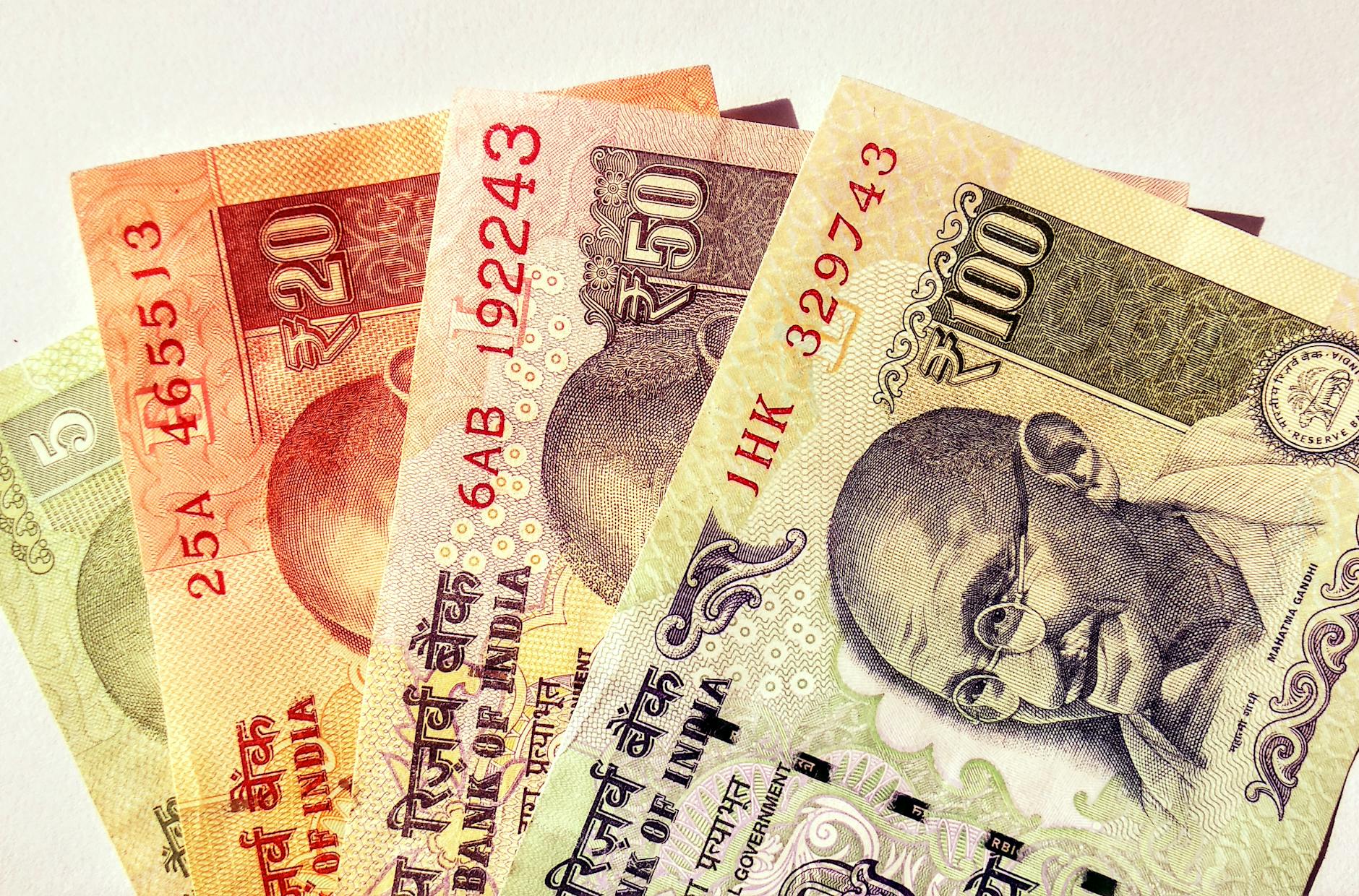
RBI Explores Polymer Currency as Modernisation Strategy
India stands at the threshold of a currency revolution. The Reserve Bank of India is actively evaluating polymer-based banknotes to replace traditional paper currency, a move that could fundamentally transform how rupees circulate across the nation's economy.
This isn't an isolated experiment. Over 30 countries worldwide have already made the switch, with Australia leading the charge in the 1990s. Canada, Singapore, and the United Kingdom followed, reporting measurable improvements in currency management and public satisfaction.
The Durability Advantage: 10 Years vs 4 Years
Paper rupee notes currently survive 4-5 years in circulation before wear forces their withdrawal. Polymer notes last 10-15 years—nearly three times longer. This extended lifespan means the RBI prints fewer replacement notes annually, directly cutting production costs.
For a nation that prints currency worth billions each year, this efficiency translates to crores in savings. Money saved on printing can be redirected toward economic development priorities.
Built for India's Climate Reality
India's tropical climate and monsoon seasons present unique challenges for paper currency. Moisture softens paper notes, making them tear easily. Polymer notes resist water completely—they survive accidental washing, rain exposure, and perspiration without damage.
This climate-resilient quality makes polymer particularly suited for India's diverse geographic zones, from humid coastal regions to monsoon-affected areas.
Counterfeit-Proof Security Features
Fake currency remains a persistent problem in India. Polymer substrates enable advanced security features that paper cannot match. Holographic elements, colour-shifting inks, and microprinting integrate directly into the material, making replication substantially harder for counterfeiters.
The RBI's anti-counterfeiting arsenal would strengthen significantly, protecting both the economy and citizens from fraudulent notes.
Implementation Hurdles on the Horizon
The transition won't be seamless. India must either upgrade existing currency printing facilities or build new polymer production infrastructure—both requiring substantial capital investment.
The country's extensive ATM network, vending machines, and note-counting equipment would need calibration or replacement. Banks and commercial establishments must prepare for the physical differences in how polymer notes handle.
Public acceptance presents another challenge. Indians accustomed to cotton-based paper notes may initially resist the plastic feel. Successful countries invested heavily in public awareness campaigns explaining benefits and addressing concerns.
Economic and Environmental Efficiency
While polymer production uses synthetic materials, the overall environmental footprint improves. Fewer notes printed annually means reduced energy consumption, less ink usage, and lower raw material requirements.
The economic case strengthens when considering India's currency circulation scale. Even modest percentage savings in production and replacement costs accumulate to significant fiscal benefits over decades.
Timeline and Next Steps
The RBI hasn't announced an official implementation timeline. However, the groundwork suggests a phased rollout could begin within the next few years. Initial trials might focus on specific denominations before expanding to the full currency range.
When polymer notes eventually reach your wallet, expect currency that withstands daily wear better, resists environmental damage, and incorporates cutting-edge security features—delivering tangible improvements to millions of everyday transactions across India.
Based on reports from Google News — Finance India.
Impact analysis
NEUTRALPolymer currency adoption would benefit currency printing, security feature manufacturers, and ATM infrastructure providers. Banking sector faces one-time infrastructure upgrade costs but gains long-term operational efficiency.
- →Currency note printing companies and polymer substrate manufacturers see new business opportunities
- →Security printing and anti-counterfeiting technology firms gain from advanced feature integration requirements
- →ATM manufacturers and banking technology providers benefit from machine recalibration and upgrade demand
- →Banks face short-term capital expenditure but achieve lower currency replacement costs over 10-15 year horizon
What to watch next
Watch for RBI announcements on pilot programmes or trial denominations for polymer notes. Any budget allocation for currency printing infrastructure upgrades would signal timelines becoming concrete. Also monitor tenders for polymer substrate procurement or ATM recalibration contracts.
Frequently asked
When will India get polymer currency notes?+
The RBI is still in the exploration phase with no official timeline announced. Based on global examples, a phased implementation could take 3-5 years once formally approved, starting with pilot denominations before full rollout.
Will polymer notes work in existing ATMs and vending machines?+
ATMs and vending machines will need calibration or upgrades to handle polymer notes reliably. Banks and the RBI would coordinate this transition to ensure machines accept the new currency smoothly before widespread circulation.
Are polymer notes more expensive to produce than paper notes?+
Initial production costs are higher, but polymer notes last 2-3 times longer. Over a 10-15 year lifespan, they become more economical because the RBI prints fewer replacement notes, reducing overall printing and distribution costs significantly.
Which companies could benefit from India's polymer currency shift?+
Security printing companies, polymer substrate manufacturers, anti-counterfeiting technology firms, and ATM/banking infrastructure providers would see business opportunities. However, no specific Indian stocks are directly confirmed as beneficiaries yet.
Based on reports from Google News — Finance India.
More in Markets
View all →
EPFO 3.0 Proposal to Include Gig Workers in Pension Scheme

EPFO 3.0 Proposal to Include Gig Workers in Pension Scheme

EPFO 3.0 Proposal Aims to Include Gig Workers in Pension Scheme
EPFO 3.0 Proposal to Include Gig Workers in Pension Scheme

EPFO 3.0 Proposal Aims to Include Gig Workers in Pension Scheme