
India Prioritises National Interests Over US Trade Agreement
India's trade decision may reshape future economic negotiations.

India has made a decisive move by rejecting a hurried trade agreement with the United States, emphasizing the need to prioritise national interests. This decision comes during ongoing discussions about a potential trade deal that could have significantly impacted both economies. Indian officials have raised concerns that the terms of the proposed deal did not align with the country's long-term economic objectives. They stressed that any trade agreement must support India's developmental priorities and protect domestic industries.
The rejection of this trade deal underscores India's commitment to maintaining economic sovereignty. Officials have highlighted that certain provisions in the deal could have compromised India's ability to effectively regulate its markets. By prioritising national interests, India aims to ensure that its economic policies remain independent and focused on fostering domestic growth.
Business leaders in India have largely backed the government's decision. Many believe that rushing into a trade agreement without careful consideration could harm local industries. Rajesh Kumar, a prominent industrialist, stated, "It is crucial for India to protect its economic interests and ensure that any trade deal is beneficial for our industries and workforce."
Looking ahead, while the rejection of the trade deal may create short-term setbacks in India-US relations, experts suggest it could lead to more balanced negotiations in the future. Dr. Anjali Mehta, an economist, commented, "This decision reflects India's growing confidence in its economic strategy. Future negotiations should focus on equitable terms that benefit both nations without compromising India's interests."
In conclusion, India's decision to reject the rushed US trade deal highlights the importance of prioritising national interests in international negotiations. As the global economy evolves, India remains committed to pursuing trade agreements that align with its long-term economic goals while safeguarding its sovereignty. Based on reports from Google News — Indian Economy.
Frequently asked
Why did India reject the US trade deal?+
India rejected the deal to prioritise its national interests and protect domestic industries.
What does this mean for future trade relations?+
This decision may lead to more balanced negotiations in future trade agreements.
Based on reports from Google News — Indian Economy.
More in Economy
View all →
India Prioritizes National Interest Over US Trade Deal
4h ago

India Prioritizes National Interest Over US Trade Deal
4h ago
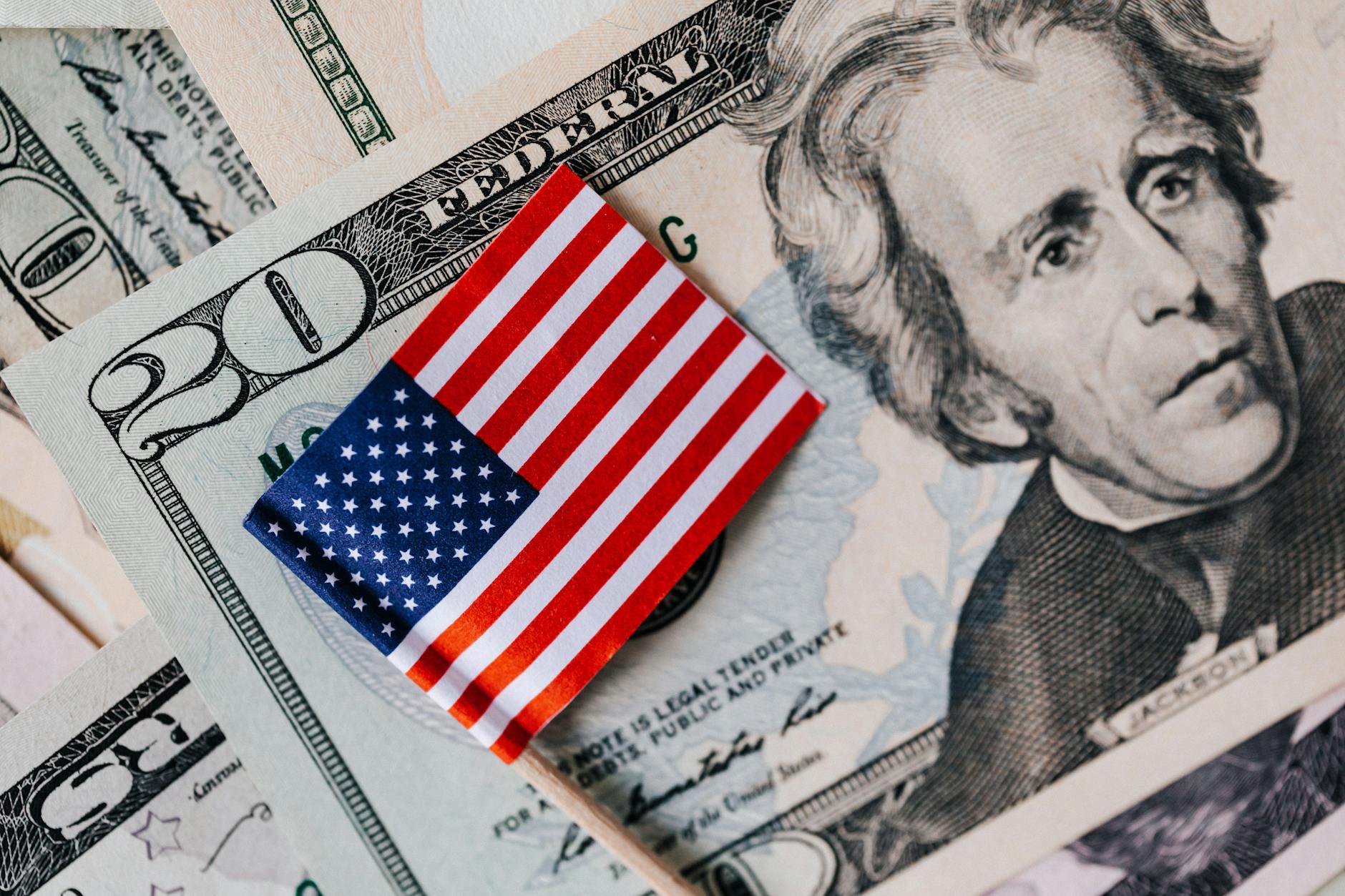
India Prioritises National Interest Over US Trade Deal
4h ago

India Prioritizes National Interest Over US Trade Deal
4h ago
IMF Projects India as Fastest-Growing Major Economy
12h ago
IMF Projects India as Fastest-Growing Major Economy
12h ago