
India's GDP Growth Projected at 6.3%, Leading Major Economies
OECD report highlights India's resilience amidst global challenges.
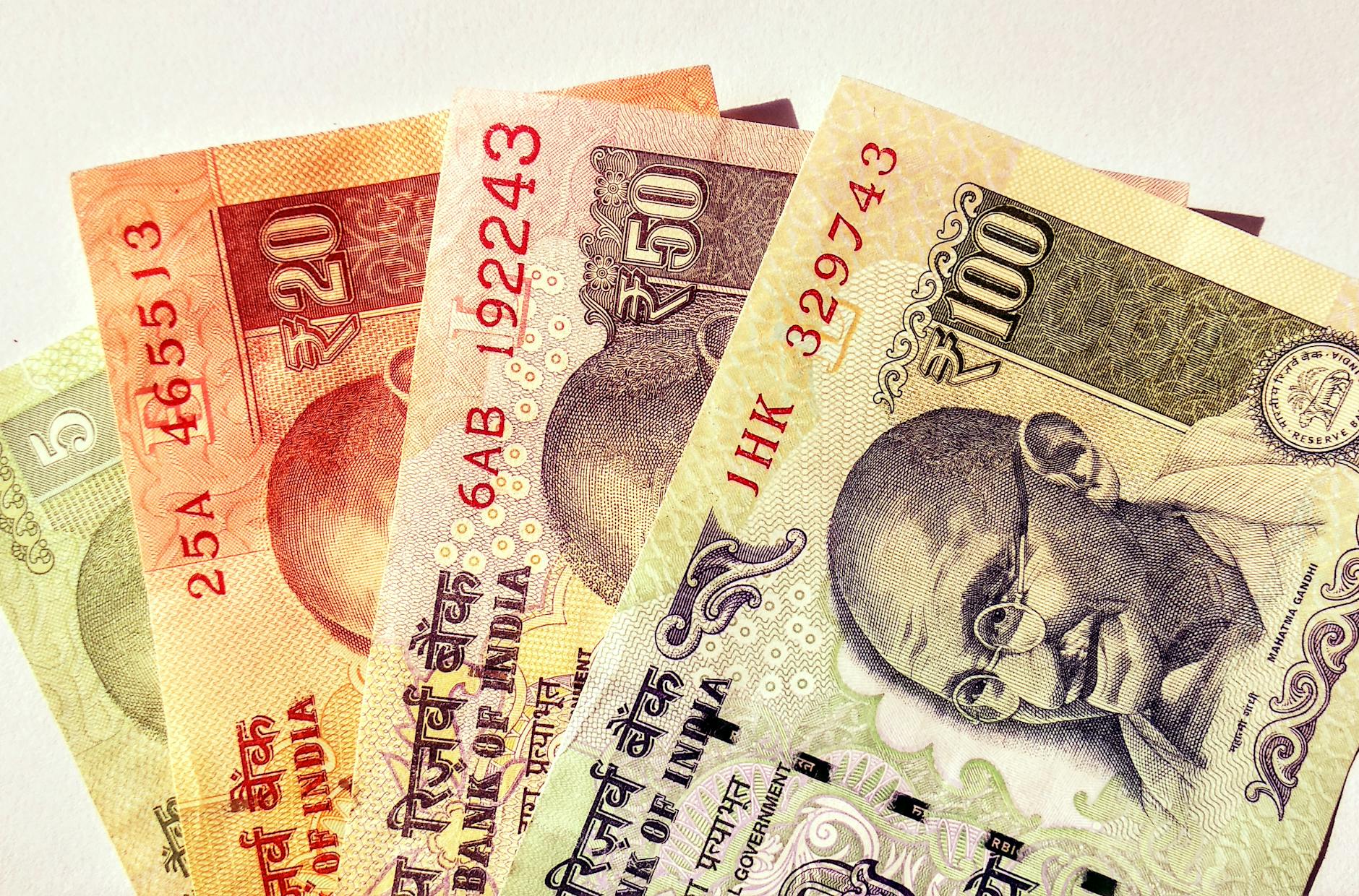
The Organisation for Economic Co-operation and Development (OECD) has released a significant report confirming that India is the fastest-growing major economy globally. This comes at a time when many countries face economic hurdles such as inflation and geopolitical tensions. The report emphasizes India's resilience and its continuous economic growth trajectory.
According to the OECD, India's GDP growth rate is expected to be around 6.3% in 2023, the highest among major economies. This robust growth is driven by strong domestic demand, increased investment, and government initiatives aimed at enhancing economic activity. The rebound in consumption and investment following the pandemic plays a crucial role in this positive outlook.
The Indian government has launched several initiatives to support this growth. Key among these is the Production-Linked Incentive (PLI) scheme, designed to boost manufacturing. Additionally, various infrastructure projects are underway, which are expected to create jobs and stimulate further economic activity.
When compared to other major economies, India's growth rate significantly outpaces that of the United States, which is projected to grow at about 1.5%, and China's anticipated growth of around 5.0%. This stark contrast highlights India's emerging role as a vital player in the global economy.
However, the OECD report does not overlook the challenges that India must tackle to sustain its growth momentum. Rising inflation, supply chain disruptions, and the necessity for structural reforms in various sectors are among the key challenges identified.
Inflation poses a significant risk, as increasing prices can diminish consumer purchasing power. The government and the Reserve Bank of India (RBI) are closely monitoring inflation trends and are expected to implement measures to ensure economic stability.
Moreover, for long-term growth, India needs to focus on structural reforms in critical sectors like agriculture, manufacturing, and services. Enhancing productivity and skill development will be vital for maintaining competitiveness in the global market.
In conclusion, the OECD report reaffirms India's status as the fastest-growing major economy. With a projected GDP growth rate of 6.3% for 2023, India appears well-positioned to navigate global economic challenges. Nevertheless, addressing inflation and implementing necessary structural reforms will be crucial for sustaining this growth in the long term. Based on reports from Google News — Indian Economy.
Frequently asked
What does the OECD report say about India's economy?+
The OECD report identifies India as the fastest-growing major economy, projecting a GDP growth of 6.3% for 2023.
What challenges does India face for economic growth?+
India faces challenges like rising inflation, supply chain disruptions, and the need for structural reforms in key sectors.
Based on reports from Google News — Indian Economy.
More in Economy
View all →
PM Modi Presents India's New Development Model in New Zealand
1h ago
PM Modi Presents India's Development Model in New Zealand
1h ago

PM Modi Presents India's New Development Model in New Zealand
1h ago
PM Modi Presents India's New Development Model in New Zealand
1h ago

Economist Surjit Bhalla Critiques India's 2047 Ambitions
1h ago

Surjit Bhalla Critiques India's Ambition for Viksit Bharat 2047
1h ago