
RBI to Launch Plastic Currency Notes in ₹100, ₹200, ₹500 Denominations
Polymer notes promise longer life, better security, and lower counterfeiting after decade-long wait
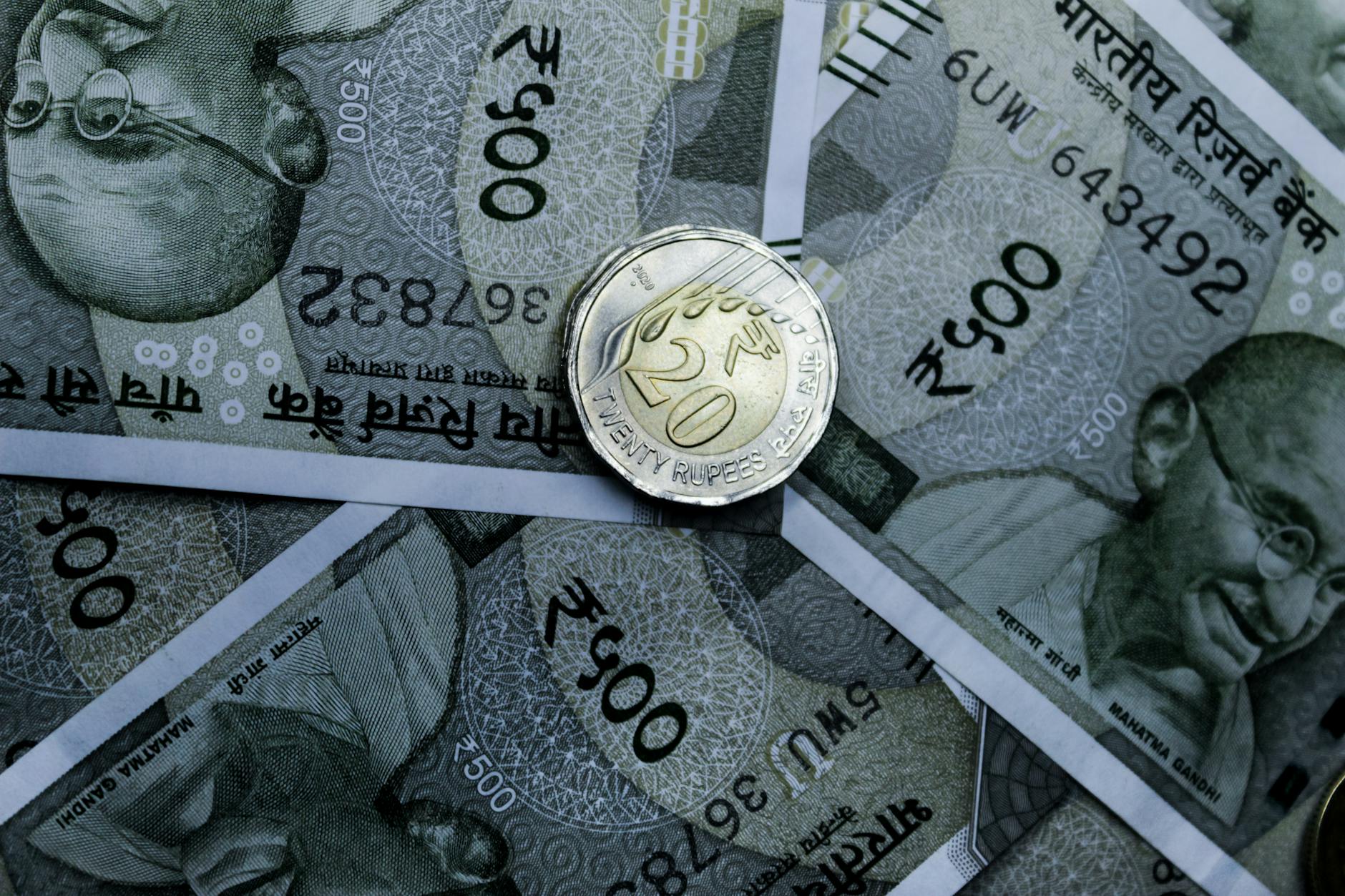
RBI Revives Decade-Old Polymer Note Initiative
The Reserve Bank of India has greenlit its long-delayed plan to introduce plastic currency notes in three denominations: ₹100, ₹200, and ₹500. This move brings India into alignment with global best practices already adopted by Australia, Canada, the UK, and over 30 other nations.
The shift from paper to polymer represents a fundamental upgrade to India's currency infrastructure. Unlike cotton-based notes that wear out quickly in tropical humidity and heavy circulation, polymer notes last 2.5 to 4 times longer. This translates into substantial cost savings for the RBI, which currently spends thousands of crores annually printing replacement currency.
Why These Three Denominations Matter
The RBI's choice is strategic. The ₹100 note dominates retail transactions—from vegetable vendors to auto-rickshaw fares. The ₹200 note fills the gap between small and medium purchases. The ₹500 note handles larger retail and business payments. Together, these three denominations account for over 60% of transaction volume in India's cash-heavy economy.
By targeting mid-range denominations first rather than high-value notes like ₹2,000, the central bank is taking a phased approach. This allows testing of public acceptance, ATM compatibility, and production capacity before potentially expanding to other values.
Security Gains and Counterfeit Prevention
Polymer substrates offer superior anti-counterfeiting protection. The material itself can embed transparent windows, holographic strips, and colour-shifting elements that are nearly impossible to replicate with standard printing equipment. For a country that seized ₹2,500 crore worth of counterfeit currency between 2019 and 2023, this security upgrade addresses a critical vulnerability.
The notes are also more hygienic—they resist moisture, can be wiped clean, and harbour fewer bacteria than paper. This became especially relevant post-pandemic when currency hygiene gained attention.
What Delayed Implementation for a Decade?
The RBI first explored polymer technology in 2013-14 but faced several roadblocks. Sourcing polymer substrates that met specifications required establishing reliable supply chains. The 2016 demonetisation consumed massive RBI resources, pushing polymer notes down the priority list. Technical challenges around ATM calibration and vending machine compatibility also required resolution.
Now, with proven international success stories and improved domestic production capabilities, the initiative has gained momentum.
The Transition: What Indians Can Expect
Paper and plastic notes will coexist for years. The RBI will gradually increase polymer note circulation as production scales up. Old paper notes will eventually be withdrawn through phased de-monetisation, but no immediate deadline has been announced.
Banks and ATMs will need calibration to handle the new material. The notes feel stiffer and appear slightly translucent at certain angles. Public awareness campaigns will help citizens verify authenticity using embedded security features.
Vending machines, toll booths, and automated payment systems will require firmware updates to recognise the new specifications. The RBI is coordinating with banking networks to ensure infrastructure readiness before mass rollout.
Market Implications for Currency Ecosystem
The move creates opportunities for companies in secure printing, polymer substrate manufacturing, and currency handling equipment. Banks will incur one-time upgrade costs for ATM recalibration. However, lower replacement frequency means reduced long-term operational expenses for the banking system.
The initiative also signals the RBI's commitment to modernising India's payment infrastructure—both physical and digital—as the country balances cash usage with growing UPI adoption.
Based on reports from Google News — Banking India.
Impact analysis
NEUTRALPositive for secure printing and currency technology companies; one-time infrastructure upgrade costs for banks. Long-term operational savings from reduced printing frequency will benefit the banking system and RBI cost structure.
- →Currency printing and polymer substrate suppliers gain from new production contracts
- →Banks face one-time ATM/infrastructure upgrade costs but benefit from lower currency replacement expenses long-term
- →Security technology providers gain from demand for advanced anti-counterfeiting features
What to watch next
Monitor RBI announcements on rollout timelines, production volumes, and pilot program results. Watch for banking sector commentary on infrastructure upgrade costs and any supply chain partners announced for polymer substrate procurement.
Frequently asked
Will my old ₹100, ₹200, and ₹500 notes become invalid?+
No. Old paper notes will continue as legal tender for years during the transition. The RBI will gradually phase them out with plenty of advance notice, similar to how worn notes are normally replaced.
Which companies benefit from plastic currency notes?+
Companies involved in secure currency printing, polymer substrate manufacturing, ATM machine producers, and security technology providers stand to gain. However, no specific Indian listed companies dominate this specialized sector currently.
How will ATMs handle plastic notes?+
Banks will calibrate ATMs to recognise and dispense polymer notes. The transition has been factored into planning, with testing already underway. Most modern ATMs require only software updates, not hardware replacement.
Are plastic notes better for the environment?+
Yes, in the long run. While polymer production has environmental costs, the significantly longer lifespan means fewer notes need printing over time, reducing overall paper consumption and waste from destroyed currency.
Based on reports from Google News — Banking India.
More in Banking
View all →
IndusInd Bank Reports Increased Quarterly Profit Amid Lower Provisions

IndusInd Bank Reports Increase in Quarterly Profit
IndusInd Bank Reports Increased Profit Amid Lower Provisions

IndusInd Bank Reports Increased Quarterly Profit Amid Lower Provisions

IndusInd Bank Reports Increased Quarterly Profit Amid Lower Provisions
