
RBI Revives Polymer Banknote Plan: ₹100, ₹200, ₹500 Denominations Coming
Central bank targets durability and anti-counterfeiting after decade-long pause on plastic currency project
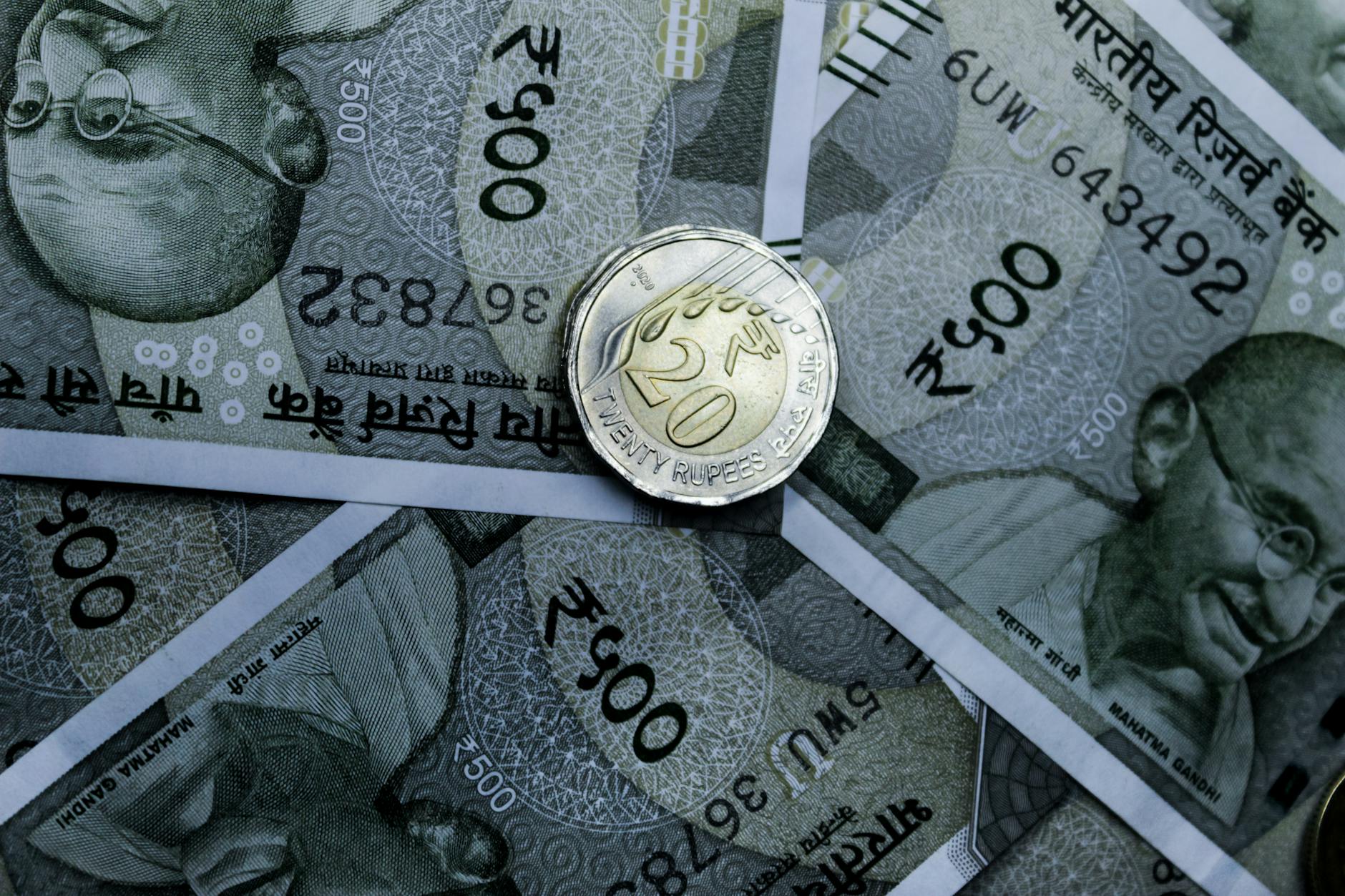
RBI Revives Polymer Currency Project After 10-Year Pause
The Reserve Bank of India has officially revived its long-dormant plan to introduce polymer banknotes in three denominations: ₹100, ₹200, and ₹500. The move marks a significant shift in India's currency management strategy, with the central bank prioritising durability, security, and operational efficiency.
Polymer notes are made from polypropylene-based plastic instead of traditional cotton-paper. Countries like Australia, Canada, and the United Kingdom have already adopted this technology successfully. India's decision to restart this initiative reflects growing confidence in the technology's readiness for mass deployment across the world's largest currency circulation system.
Strategic Choice of Denominations
The RBI's selection of ₹100, ₹200, and ₹500 notes is deliberate. These three denominations account for a substantial portion of daily transactions across India. The ₹500 note handles high-value commerce, while the ₹100 note dominates everyday retail spending. The ₹200 note, introduced in 2017, bridges the gap between smaller and larger denominations.
This phased approach allows the RBI to test polymer technology across varied use cases without straining printing infrastructure. Real-world feedback from banks, merchants, and citizens will guide decisions on extending the programme to other denominations like ₹10, ₹20, ₹50, or potentially ₹2,000.
Why Polymer Notes Make Economic Sense
Traditional paper banknotes last 3-5 years in circulation before wear and tear force replacement. Polymer notes, by contrast, remain usable for 5-10 years or longer. This extended lifespan directly reduces the RBI's recurring printing costs and lowers the fiscal burden on government finances.
Polymer notes resist moisture, dirt, and physical damage far better than paper currency. They survive accidental washing, resist tearing, and maintain security features longer. For India's diverse climate—from humid coastal regions to dry interiors—this resilience is crucial. Monsoon dampness and temperature fluctuations regularly damage traditional currency, forcing premature replacement.
The polypropylene substrate enables advanced security features that are extremely difficult to counterfeit. Integrated holograms, tactile elements, and embedded security threads provide stronger protection against forgery, a persistent challenge that costs the Indian economy significantly each year.
Environmental and Sustainability Angle
While plastic raises environmental concerns, polymer notes require fewer replacements over their lifecycle, reducing overall resource consumption. The polypropylene material is recyclable, and modern manufacturing processes minimise environmental impact compared to the agricultural resources needed for cotton-paper currency production.
Why the Project Was Shelved Earlier
The RBI first explored polymer banknotes over a decade ago but shelved the initiative due to multiple challenges. Early prototypes faced technical hurdles in printing quality and durability testing. The cost of upgrading India's currency printing infrastructure was prohibitive at the time.
The November 2016 demonetisation exercise, which withdrew ₹500 and ₹1,000 notes, shifted the RBI's immediate focus to managing currency reintroduction and enhancing paper note security features. The launch of the ₹200 denomination in 2017 further delayed polymer consideration.
Today, technological improvements and successful international examples from Australia and Canada provide a proven roadmap. The RBI now believes operational conditions and infrastructure readiness support full-scale implementation.
Rollout Timeline and Public Impact
The RBI has not announced specific launch dates. Implementing polymer currency requires coordination across the Department of Economic Affairs, Security Printing Press facilities in Nashik and other locations, commercial banks, and the RBI's regulatory departments.
Expect a phased rollout starting with pilot batches for technical validation. Full-scale manufacturing and nationwide distribution will likely take several months to over a year. Both paper and polymer notes will coexist temporarily as banks gradually replace worn notes with newer versions.
Citizens can exchange old paper currency for new notes through banks at standard rates. The RBI's communication campaign will be critical to ensure smooth public acceptance and understanding of the transition.
This initiative positions India among global currency innovation leaders, combining operational efficiency with enhanced security and environmental responsibility.
Based on reports from Google News — Banking India.
Impact analysis
NEUTRALThe polymer banknote initiative directly benefits currency printing and security technology companies. Banks face transition costs but gain long-term operational efficiencies from reduced currency handling and replacement cycles.
- →Security printing companies and polymer substrate manufacturers stand to gain from large-scale procurement contracts worth hundreds of crores
- →Commercial banks will incur short-term costs for ATM recalibration, cash handling system upgrades, and staff training on new currency
- →Anti-counterfeiting technology providers may see increased demand as RBI enhances security features across all denominations
- →Recycling and waste management firms could benefit from handling end-of-life polymer notes, creating a new revenue stream
What to watch next
Monitor RBI announcements on pilot launch dates and initial production volumes from Security Printing Presses. Track public acceptance feedback and any technical issues during early rollout phases that could delay nationwide implementation.
Frequently asked
When will polymer banknotes be available to the public?+
The RBI has not announced specific launch dates yet. Expect a phased rollout starting with pilot batches, followed by gradual nationwide distribution likely over 6-12 months. Both paper and polymer notes will circulate together during the transition period.
Will I need to exchange my existing paper notes for polymer ones?+
No mandatory exchange is required. Your existing paper notes remain valid legal tender. Banks will gradually replace worn paper currency with polymer notes through normal circulation. You can exchange damaged notes at banks as usual.
Are polymer notes better for the environment than paper currency?+
Polymer notes have mixed environmental impact. While they're made from plastic, their longer lifespan (5-10 years vs 3-5 years) means fewer replacements, reducing overall resource consumption. The polypropylene material is also recyclable at end-of-life.
Which companies will benefit from polymer banknote production?+
Government-owned Security Printing Presses will handle production. Private sector suppliers of polypropylene substrates, security feature manufacturers, and companies providing printing technology and equipment may see business opportunities, though specific beneficiaries are not publicly disclosed.
Based on reports from Google News — Banking India.
More in Banking
View all →
IndusInd Bank Reports Increased Quarterly Profit Amid Lower Provisions

IndusInd Bank Reports Increase in Quarterly Profit
IndusInd Bank Reports Increased Profit Amid Lower Provisions
IndusInd Bank Reports Increased Quarterly Profit Amid Lower Provisions

IndusInd Bank Reports Increased Quarterly Profit Amid Lower Provisions
