
World Bank Invests $890 Million to Propel India's Rooftop Solar Growth
Significant funding aims to enhance India's renewable energy capacity.
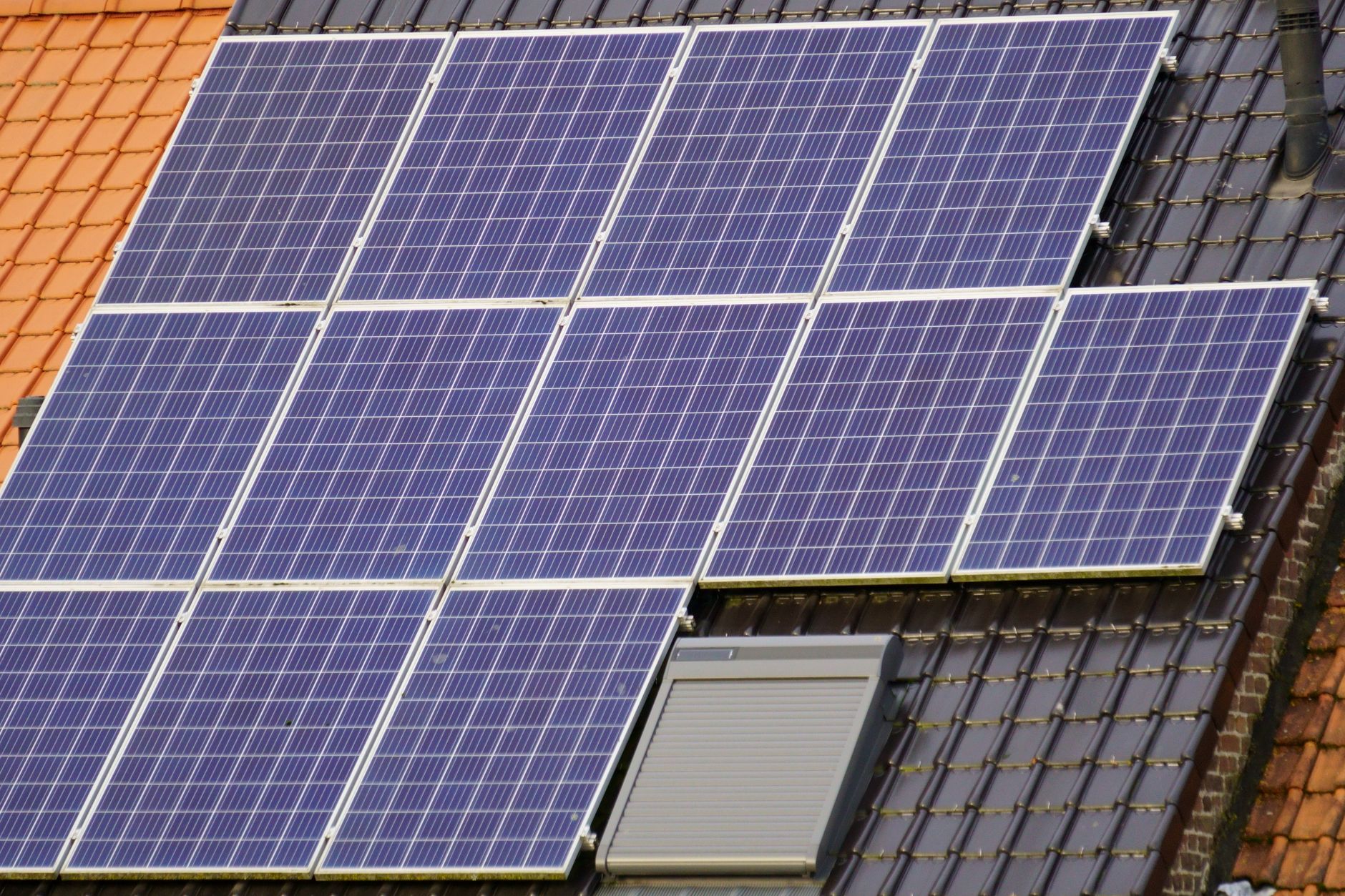
India is making significant strides in its solar energy transition, with the recent announcement of an $890 million funding package from the World Bank. This financial support aims to enhance rooftop solar installations across the nation, contributing to India's goal of achieving 500 GW of renewable energy capacity by 2030. The $890 million package is part of the World Bank's broader strategy to assist India in its renewable energy efforts. The funding will specifically target the installation of solar panels on rooftops, which is a crucial component of India's renewable energy roadmap. The primary objectives of this funding include increasing the adoption of rooftop solar systems among residential and commercial buildings, enhancing access to clean energy in urban and rural areas, and reducing greenhouse gas emissions and reliance on fossil fuels. This initiative is expected to have a profound impact on India's energy landscape. By promoting rooftop solar, the government aims to decentralize energy production, allowing consumers to generate their own electricity and reduce their energy bills. The rooftop solar initiative is anticipated to create numerous job opportunities in the solar sector, ranging from manufacturing to installation and maintenance. This will not only boost the economy but also encourage local entrepreneurship. Despite the promising outlook, several challenges remain in the implementation of rooftop solar installations. These include high initial costs for consumers, lack of awareness and technical knowledge among potential users, and regulatory hurdles that may hinder project approvals. To address these challenges, the Indian government has introduced various schemes to promote solar energy adoption. These include subsidies for solar panel installations and incentives for manufacturers to produce solar equipment locally. With the World Bank's support and government initiatives, India's rooftop solar sector is poised for growth. The country aims to install 40 GW of rooftop solar capacity by 2022, a target that will be essential for meeting its overall renewable energy goals. In conclusion, the $890 million funding package from the World Bank marks a significant step towards advancing India's solar energy transition. By focusing on rooftop installations, India is not only working towards a sustainable future but also empowering its citizens to take charge of their energy needs. Based on reports from Google News — Banking India.
Frequently asked
What is the goal of India's rooftop solar initiative?+
The goal is to increase solar energy capacity to 500 GW by 2030.
How will the World Bank funding be used?+
The funding will be used to enhance rooftop solar installations across India.
Based on reports from Google News — Banking India.
More in Banking
View all →
HDFC Bank, ICICI Bank Earnings and CPI Data in Focus Next Week
4h ago

Earnings Focus: HDFC Bank, ICICI Bank, HCL Tech, CPI Data
4h ago

Earnings Week: HDFC Bank, ICICI Bank, HCL Tech Reports
4h ago

Key Earnings Reports from HDFC Bank and ICICI Bank This Week
4h ago
Earnings Focus on HDFC Bank, ICICI Bank, and HCL Tech Next Week
4h ago

Bank Holiday Today: SBI, HDFC Bank, ICICI Bank Status on July 11
7h ago