
Weak Monsoon Threatens Rural Consumption and Economic Growth
A weak monsoon could disrupt India's economic stability and consumer spending.
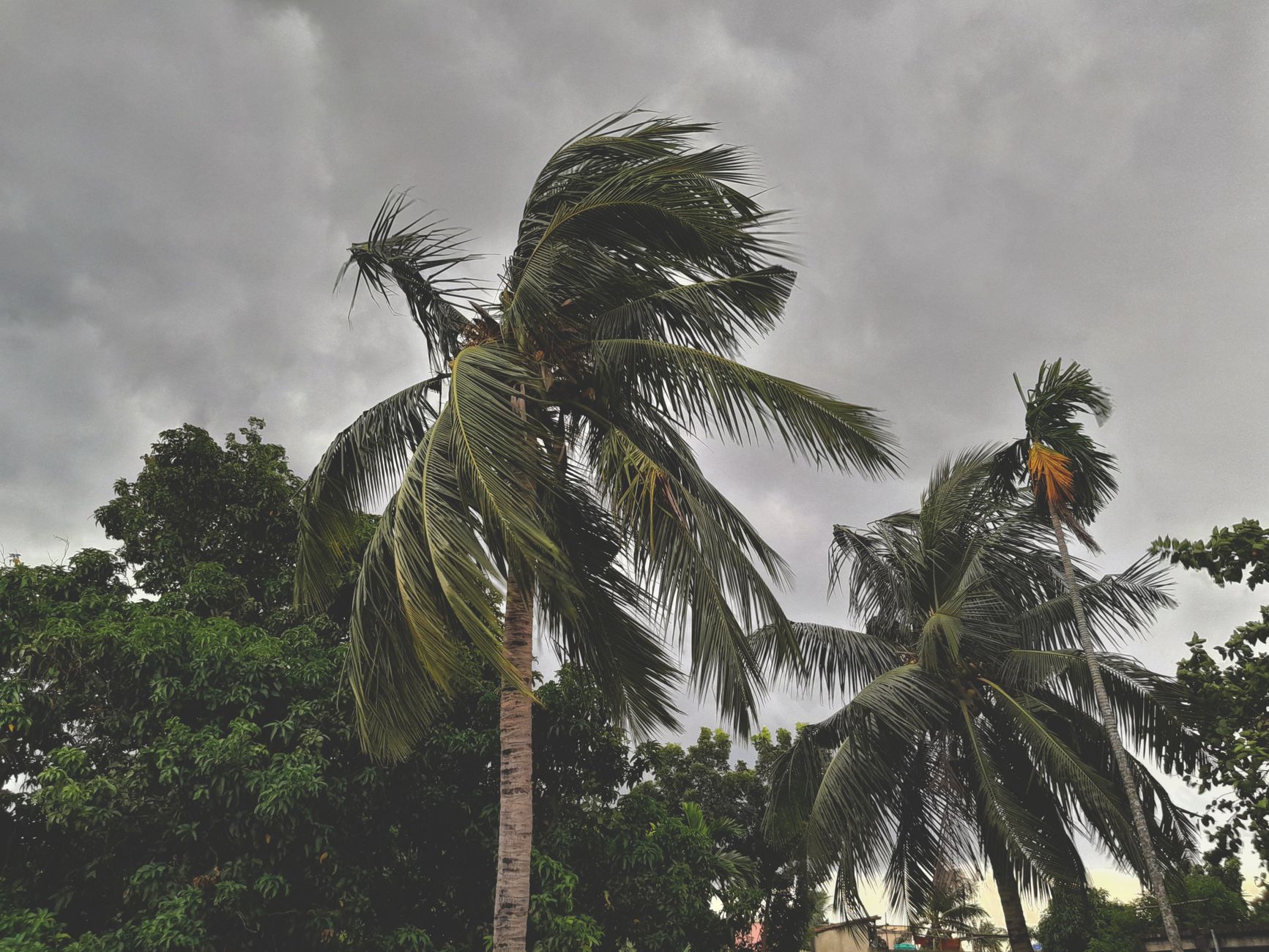
The Indian economy faces challenges as the monsoon season shows signs of weakness. A deficient monsoon can lead to reduced agricultural productivity, impacting food availability and prices. This situation poses a serious risk to consumer spending, especially in rural areas where agriculture is the primary source of income. Rural households are vital to India's consumption story. Approximately 70% of the Indian population resides in rural areas, heavily depending on agriculture for their livelihoods. A weak monsoon could diminish crop yields, leading to lower farmer incomes. Consequently, this could reduce purchasing power and the consumption of non-essential goods. Historically, weak monsoons have resulted in economic downturns in rural India. For example, the 2014 monsoon season recorded a 12% deficit, contributing to a slowdown in rural demand. Similar trends were noted in 2015 and 2016, where erratic rainfall patterns adversely affected agricultural output and rural consumption. Another significant concern from a weak monsoon is the potential for increased inflation. Food prices are likely to rise due to reduced supply, resulting in higher overall inflation rates. The Reserve Bank of India (RBI) closely monitors inflation as it influences monetary policy decisions. A spike in inflation could compel the RBI to adjust interest rates, further affecting consumer spending and investment. Several sectors could feel the impact of a weak monsoon. The agriculture sector, contributing about 15% to India's GDP, is directly affected. Additionally, sectors like FMCG, textiles, and rural banking may see a downturn in demand. Companies in these sectors might need to revise their growth forecasts and strategies to adapt to changing consumer behavior. The Indian government may implement various measures to mitigate the adverse effects of a weak monsoon. These could include enhancing irrigation facilities, providing financial assistance to affected farmers, and launching awareness campaigns to promote efficient agricultural practices. Such interventions aim to stabilize agricultural output and consumer confidence. Experts indicate that the long-term impact of a weak monsoon on India's economy will depend on the government's response and the resilience of the agricultural sector. If timely interventions are made, the adverse effects on consumption may be minimized. However, delayed responses could exacerbate the situation, leading to prolonged economic challenges. In summary, a weak monsoon poses significant risks to India's consumption story, particularly in rural areas. The potential decline in agricultural output, rising inflation, and sectoral impacts could lead to a slowdown in overall economic growth. Stakeholders must closely monitor weather patterns and prepare for possible contingencies to safeguard the economy. Based on reports from Google News — Indian Economy.
Frequently asked
How does a weak monsoon affect inflation?+
A weak monsoon can reduce food supply, leading to higher prices and increased inflation.
What sectors are most affected by a weak monsoon?+
Sectors like agriculture, FMCG, and rural banking are likely to be most impacted.
Based on reports from Google News — Indian Economy.
More in Economy
View all →
PM Modi Presents India's New Development Model in New Zealand
1h ago
PM Modi Presents India's Development Model in New Zealand
1h ago

PM Modi Presents India's New Development Model in New Zealand
1h ago
PM Modi Presents India's New Development Model in New Zealand
1h ago

Economist Surjit Bhalla Critiques India's 2047 Ambitions
1h ago

Surjit Bhalla Critiques India's Ambition for Viksit Bharat 2047
1h ago