
World Bank Invests $890 Million in India's Solar Energy Initiative
Funding boosts India's renewable energy and private sector investment.
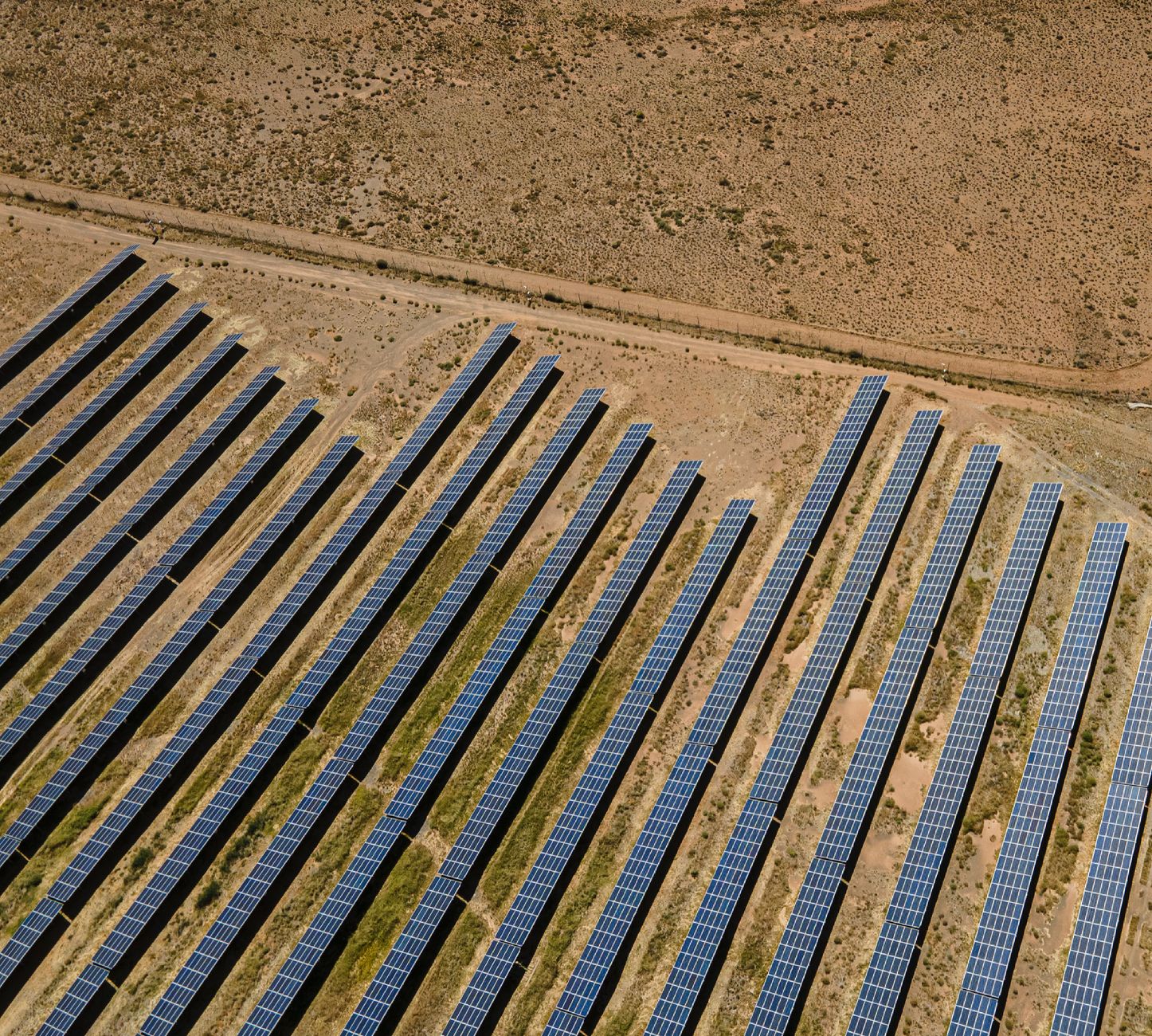
The World Bank has approved a substantial funding of $890 million to support India's rooftop solar programme. This investment is part of a larger strategy aimed at enhancing the country's renewable energy capabilities while mobilising private financing of $4.2 billion. The primary objective of the rooftop solar programme is to encourage the adoption of solar energy throughout India. By offering financial assistance, the World Bank intends to facilitate the installation of solar panels on residential, commercial, and industrial rooftops. This initiative is expected to significantly contribute to India's commitment to increasing its renewable energy capacity and lowering greenhouse gas emissions.
Moreover, the World Bank's funding is specifically designed to attract considerable private sector investment. By mobilising $4.2 billion in private financing, the programme seeks to establish a robust market for solar energy in India. This influx of capital will not only aid in the installation of solar systems but also stimulate job creation in the renewable energy sector.
India has set an ambitious target of achieving 500 gigawatts (GW) of non-fossil fuel-based energy capacity by 2030. The rooftop solar programme plays a vital role in this vision by enabling households and businesses to generate their own electricity. This transition towards solar energy is crucial for reducing dependence on fossil fuels and promoting sustainable development.
The Indian government has been actively advocating for solar energy through various initiatives and policies. These initiatives include subsidies for solar panel installation, tax incentives, and streamlined regulatory processes. The collaboration with the World Bank further strengthens these efforts and highlights the commitment to a greener future.
In conclusion, the World Bank's approval of $890 million for India's rooftop solar programme signifies a major advancement in enhancing the country's renewable energy landscape. By mobilising private investment and supporting the installation of solar systems, this initiative is set to have a long-lasting impact on India's energy sector and its sustainability goals. Based on reports from Google News — Banking India.
Frequently asked
What is the rooftop solar programme?+
It is an initiative to promote solar panel installations on various rooftops across India.
How will this investment impact jobs?+
The investment is expected to create jobs in the renewable energy sector through increased solar installations.
Based on reports from Google News — Banking India.
More in Banking
View all →
HDFC Bank, ICICI Bank Earnings and CPI Data in Focus Next Week
4h ago

Earnings Focus: HDFC Bank, ICICI Bank, HCL Tech, CPI Data
4h ago

Earnings Week: HDFC Bank, ICICI Bank, HCL Tech Reports
4h ago

Key Earnings Reports from HDFC Bank and ICICI Bank This Week
4h ago
Earnings Focus on HDFC Bank, ICICI Bank, and HCL Tech Next Week
4h ago

Bank Holiday Today: SBI, HDFC Bank, ICICI Bank Status on July 11
7h ago