
World Bank Invests $890 Million in India's Solar Rooftop Initiative
Investment boosts renewable energy and job creation in India.
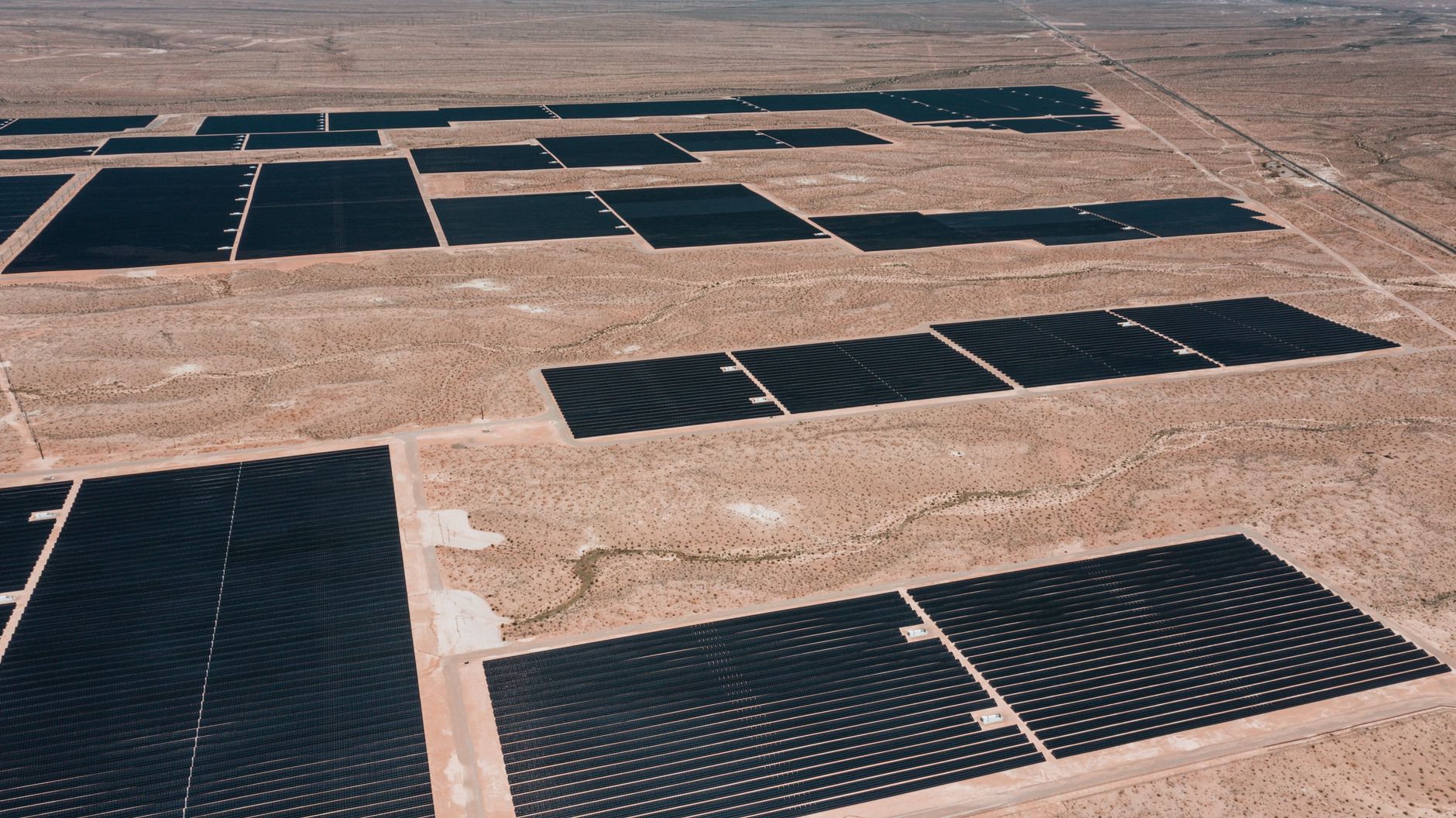
The World Bank has announced a substantial commitment of $890 million to support the expansion of rooftop solar energy initiatives in India. This investment is part of a broader strategy to enhance renewable energy adoption and combat climate change in the country.
The funding aims to facilitate the installation of solar panels on residential and commercial rooftops. This will make solar energy more accessible to households and businesses. The initiative is expected to significantly increase the share of renewable energy in India's overall energy mix. It contributes to the nation's goal of achieving 500 GW of renewable energy capacity by 2030.
By promoting rooftop solar installations, the World Bank's investment is anticipated to create numerous job opportunities within the green energy sector. Local communities will benefit from reduced electricity costs and increased energy independence, as households can generate their own electricity.
The Indian government has been actively promoting solar energy through various policies and incentives. The Solar Rooftop Scheme, launched by the Ministry of New and Renewable Energy, aims to provide subsidies and financial assistance to encourage the adoption of solar technology.
Despite the positive outlook, several challenges remain. Issues such as regulatory hurdles, financing difficulties, and the need for skilled labor can impede the rapid deployment of rooftop solar systems. The World Bank's funding will help address some of these challenges by providing technical assistance and capacity building.
This investment aligns with a global trend of increasing investments in renewable energy. Countries around the world are recognizing the importance of transitioning to cleaner energy sources to mitigate climate change. The World Bank's commitment to India underscores its role in supporting sustainable development and promoting clean energy solutions.
The World Bank's $890 million investment in India's rooftop solar expansion represents a significant step towards a sustainable energy future. By enhancing access to solar energy, this initiative not only aims to reduce carbon emissions but also supports economic growth and energy security in the country. Based on reports from Google News — Banking India.
Frequently asked
How will this investment impact electricity prices?+
The investment is expected to lower electricity costs for consumers by increasing solar energy availability.
What are the main challenges for solar energy in India?+
Challenges include regulatory hurdles, financing issues, and the need for skilled labor.
Based on reports from Google News — Banking India.
More in Banking
View all →
HDFC Bank, ICICI Bank Earnings and CPI Data in Focus Next Week
4h ago

Earnings Focus: HDFC Bank, ICICI Bank, HCL Tech, CPI Data
4h ago

Earnings Week: HDFC Bank, ICICI Bank, HCL Tech Reports
4h ago

Key Earnings Reports from HDFC Bank and ICICI Bank This Week
4h ago
Earnings Focus on HDFC Bank, ICICI Bank, and HCL Tech Next Week
4h ago

Bank Holiday Today: SBI, HDFC Bank, ICICI Bank Status on July 11
7h ago