
Agriculture Remains Soul of Indian Economy, Says CM Chouhan
CM emphasizes farmer welfare and agriculture's central role in India's economic growth
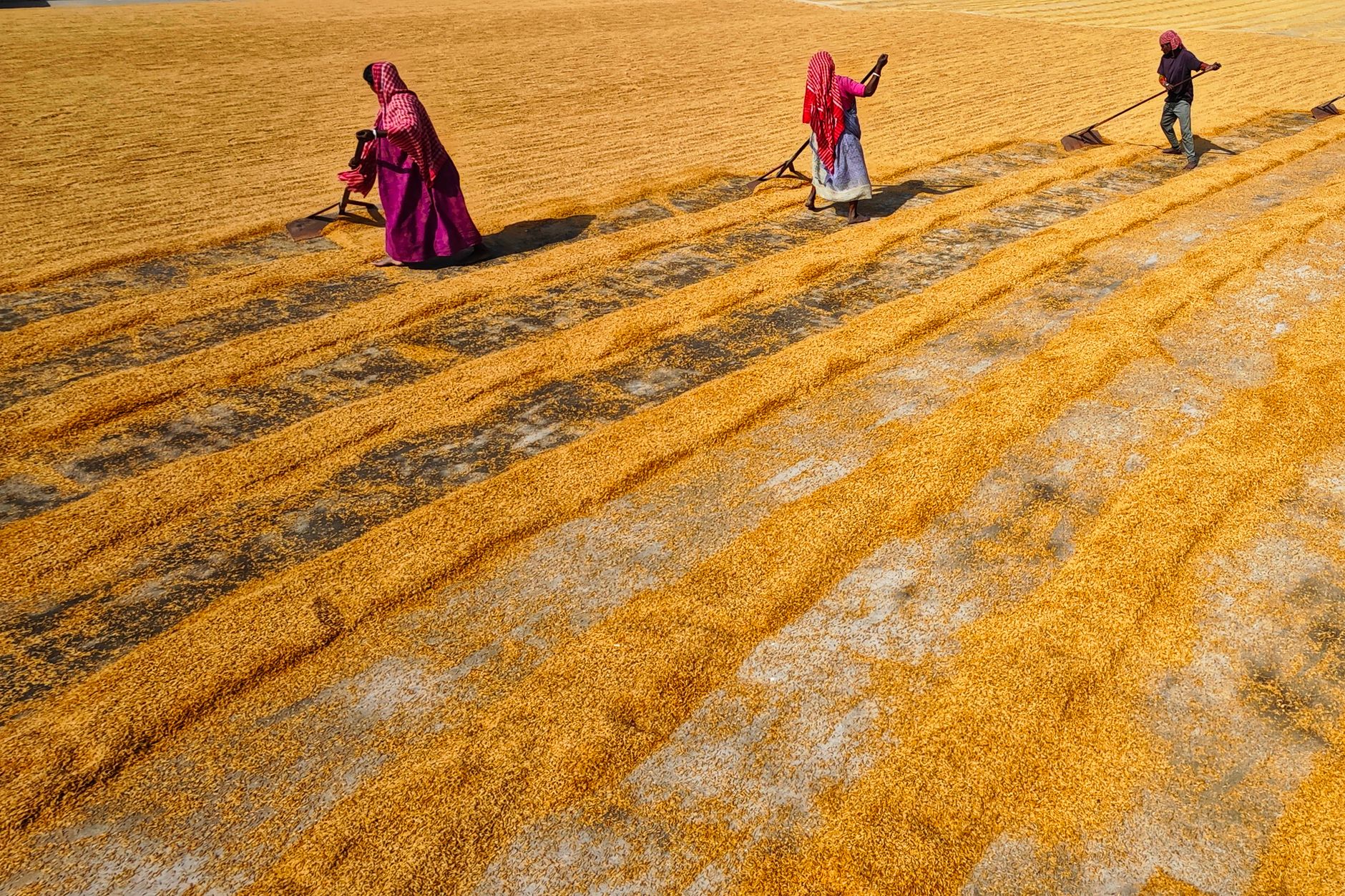
Agriculture's Central Role Reaffirmed by Political Leadership
Chief Minister Shivraj Singh Chouhan has reaffirmed agriculture's irreplaceable position in the Indian economy, calling it the soul of the nation's economic structure. His statement places renewed focus on the sector that employs over 50% of India's rural population and continues to drive economic activity across the country.
The timing of Chouhan's remarks is significant. Agriculture contributes around 18-20% to India's GDP while supporting livelihoods for nearly 800 million people in rural and semi-urban areas. Beyond domestic food security, the sector generates crucial foreign exchange through exports of rice, wheat, spices, tea, and other commodities worth billions of dollars annually.
Farmer Welfare Takes Center Stage
Chouhan's emphasis on farmers as the backbone of India's prosperity highlights the government's continued policy attention toward rural development. The agricultural community faces multiple challenges including monsoon dependency, input cost inflation, market access issues, and climate variability. Yet it continues to feed the nation and power India's export basket.
Recent years have seen increased government intervention through minimum support price (MSP) mechanisms, crop insurance schemes like Pradhan Mantri Fasal Bima Yojana, and enhanced rural credit availability. Such high-level endorsements typically signal policy continuity and potential increases in budget allocations for farmer welfare schemes.
Technology and Modernization Opportunities
While traditional farming remains dominant, technology integration presents significant growth potential. Precision farming, satellite-based crop monitoring, direct farmer-to-consumer e-commerce platforms, and modern irrigation systems offer pathways to enhance productivity. The government's push toward agricultural modernization could accelerate if backed by sustained political commitment.
India's agricultural diversity—from cereals and pulses to cash crops like cotton, sugarcane, and increasingly, organic produce—positions the sector for global demand capture. Value-added processing and agri-tech startups represent emerging investment themes within this traditional sector.
Implications for Agribusiness and Rural Economy
For companies in the agribusiness value chain—from fertilizer and seed manufacturers to agricultural equipment makers and rural-focused financial institutions—such policy affirmations translate into potential business continuity and growth opportunities. Rural consumption, closely tied to agricultural incomes, remains a key driver for FMCG and consumer durables companies.
Chouhan's statement also reinforces the sector's strategic importance for subsidy allocation, infrastructure development in rural areas, and research funding for crop improvement and sustainable farming practices. These elements directly impact the profitability and viability of farming as an economic activity.
Based on reports from Google News — Indian Economy.
Impact analysis
BULLISHThe statement reinforces government focus on agriculture, potentially supporting agribusiness stocks and rural-economy plays. Policy continuity in farmer welfare schemes benefits fertilizer, tractor, and rural lending companies.
- →Agribusiness companies (fertilizers, seeds, tractors) may see sustained demand driven by continued government support
- →Rural-focused FMCG and consumer durables firms benefit from policy attention to farmer incomes
- →Agri-tech startups and companies offering farm mechanization solutions gain strategic tailwinds
- →Banks with strong rural lending portfolios could see improved asset quality with farmer welfare focus
What to watch next
Monitor upcoming Union Budget announcements for agricultural allocations, MSP revisions, and rural development scheme funding. Watch monsoon forecasts and kharif/rabi crop sowing data, as these directly impact agricultural output and rural sentiment.
Frequently asked
Which stocks benefit from government focus on agriculture?+
Fertilizer companies (Coromandel, UPL, PI Industries), tractor makers (M&M, Escorts), seed companies, rural-focused banks, and FMCG firms with strong rural presence (HUL, ITC) typically benefit from pro-agriculture policies and increased farmer incomes.
How does agriculture impact the broader Indian economy?+
Agriculture supports 50%+ of the rural workforce, contributes nearly 20% to GDP, and drives rural consumption—a key market for consumer goods. Strong agricultural performance boosts farmer incomes, rural demand, and overall economic growth while weak monsoons or crop failures can dampen consumption and GDP.
What are the key challenges facing Indian agriculture today?+
Major challenges include monsoon dependency, climate variability, water scarcity, soil degradation, fragmented landholdings, limited market access for farmers, and the need for technology adoption. Rising input costs and inadequate post-harvest infrastructure also impact farmer profitability.
Based on reports from Google News — Indian Economy.
More in Economy
View all →
Impact of US-Iran War on India's Economy and Stability

India's Economic Stability at Risk Amid US-Iran Tensions
India Faces Economic Challenges Amid Ongoing US-Iran Conflict

Impact of US-Iran War on India's Economic Stability

India Faces Economic Crisis Amid US-Iran Tensions
