
Indian Consumer Confidence Stays Strong Despite Rising Job Market Pressures
Household spending remains robust as employment growth lags, creating sustainability concerns for economists
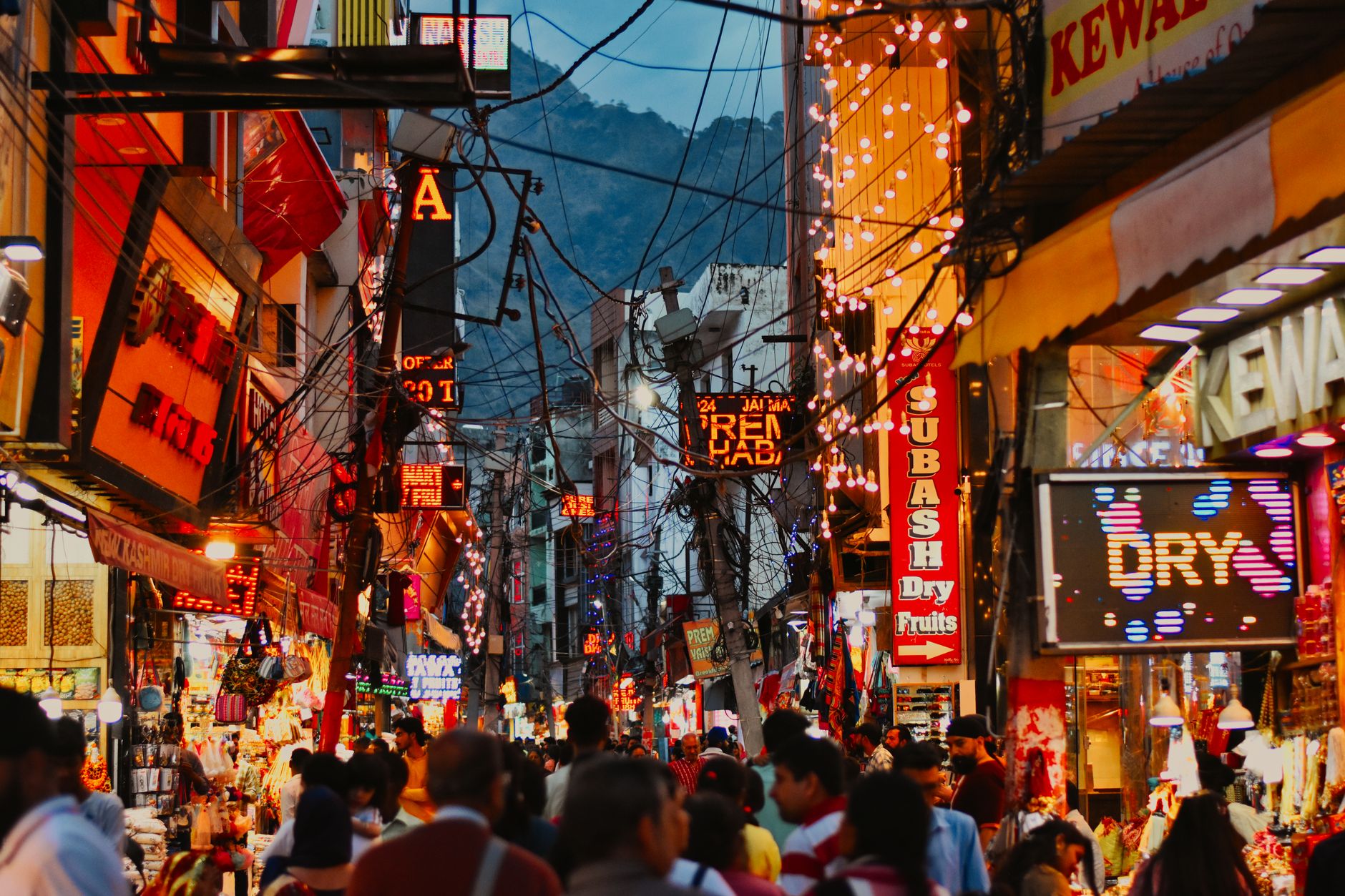
Consumer Spending Holds Firm Amid Employment Worries
Indian consumers are keeping their wallets open despite growing employment pressures, a trend that highlights the resilience of household spending in powering economic growth. Consumer confidence indices remain elevated even as job creation slows and wage growth shows strain in several sectors.
This divergence reveals the complexity of India's current economic recovery. Urban middle-class households continue spending on discretionary items, supported by steady incomes and expanded credit access. Yet beneath the surface, formal job additions lag pre-pandemic levels in some areas, and wage growth in traditional sectors has decelerated.
Employment Headwinds Intensify
The labour market is sending mixed signals. Manufacturing, logistics, and certain service sectors have witnessed workforce reductions or hiring freezes. Youth unemployment among fresh graduates remains particularly high in major metros.
Wage pressures are creating a two-tier system. While inflation-adjusted real wages have improved for some segments, lower-income categories face stagnant wage growth that fails to keep pace with inflation. Construction and informal sector workers bear the brunt of these headwinds, though organised sectors maintain relatively stable employment.
Retail Sales Tell an Optimistic Tale
Consumer spending data paints a different picture. Retail sales growth continues in double digits across many categories, especially in urban markets. E-commerce platforms report sustained growth in both transaction volumes and values, with average order sizes holding steady or rising.
Fast-moving consumer goods lead the charge, with packaged food and personal care products seeing robust demand. Volume growth outpaces urban inflation in these categories. Automobile sales remain buoyant—both two-wheelers and four-wheelers—backed by easy financing and improved consumer credit appetite.
Discretionary spending on apparel, footwear, and home furnishings shows healthy growth, particularly during festival seasons. Digital services including subscription platforms, streaming services, and fintech products continue accelerating across income segments.
What Drives Spending Resilience
Several structural factors explain sustained consumer confidence. The formal sector workforce remains relatively stable, even if growth disappoints. Government employees, IT professionals, and financial sector workers form a core of steady earners underpinning household consumption.
Access to consumer credit has expanded dramatically through buy-now-pay-later platforms, credit cards, and personal loans. Financial inclusion initiatives have brought previously unbanked populations into the credit economy, enabling spending beyond immediate income.
Post-pandemic normalisation has unleashed discretionary spending suppressed during lockdowns. Travel, dining, and entertainment categories witness revenge spending from higher-income households and young professionals.
Agricultural output supports rural consumption, which accounts for roughly half of India's retail economy. Normal monsoons have delivered decent harvests, supporting rural purchasing power even as urban wage growth lags.
Sustainability Questions Emerge
The gap between strong consumer sentiment and employment concerns raises questions about long-term sustainability. Economists warn that sluggish employment growth combined with persistent inflation could eventually erode consumer confidence. Real wage erosion in lower-income segments may ultimately impact volume demand for essential goods.
Policymakers recognise this tension. The Reserve Bank of India's monetary stance and government spending initiatives aim to maintain demand without fuelling inflation. Skill development and employment generation programmes are being rolled out, though ground-level impact remains inconsistent.
Business sentiment measured through manufacturing PMI and services indices suggests companies are managing costs carefully without abandoning growth plans entirely. However, hiring restraint is evident as businesses prioritise productivity improvements over headcount expansion.
The coming quarters will prove critical. Accelerating employment growth and moderating wage inflation could sustain current consumer strength. Conversely, rising job losses or stagnant real incomes could crack consumer confidence, dragging overall economic growth lower.
For now, India's consumer remains the economy's anchor, keeping growth buoyant despite simmering employment challenges. That balance remains delicate and cannot be assumed indefinitely.
Based on reports from Google News — Indian Economy.
Impact analysis
MIXEDConsumer-facing sectors likely to see continued demand despite employment concerns, while hiring-sensitive stocks face near-term headwinds. Credit growth may remain robust as households leverage financing for consumption.
- →FMCG, auto, and retail stocks benefit from sustained consumer spending momentum in urban and rural markets
- →IT services and staffing companies may face pressure as businesses restrain hiring and prioritise productivity
- →Consumer lending NBFCs and fintech platforms see opportunity from expanding credit appetite and financial inclusion
What to watch next
Monitor monthly employment data, CMIE unemployment rates, and quarterly wage growth statistics from organised sectors. Watch for any slowdown in consumer credit growth or rising delinquencies as early warning signs of weakening household finances.
Frequently asked
Why is consumer confidence high despite job market concerns?+
Formal sector employees have stable incomes, access to consumer credit has expanded through fintech and BNPL platforms, and post-pandemic revenge spending continues among higher-income households. Additionally, normal monsoons have supported rural purchasing power which drives half of India's retail economy.
Which sectors are seeing the strongest consumer spending?+
FMCG products like packaged food and personal care, automobiles (both two-wheelers and cars), discretionary categories like apparel and home furnishings, and digital services including streaming and fintech platforms are all witnessing robust growth in urban and rural markets.
What are the risks to sustained consumer spending?+
If employment growth remains sluggish and inflation persists, consumer confidence could erode. Real wage stagnation in lower-income segments may eventually impact demand for essential goods, while excessive reliance on credit could lead to delinquencies if incomes don't keep pace with borrowing.
Based on reports from Google News — Indian Economy.
More in Economy
View all →
Impact of US-Iran War on India's Economy and Stability

India's Economic Stability at Risk Amid US-Iran Tensions
India Faces Economic Challenges Amid Ongoing US-Iran Conflict

Impact of US-Iran War on India's Economic Stability
India Faces Economic Crisis Amid US-Iran Tensions
