
India's Creative Economy Faces Urban Sustainability Crisis Amid Rapid Growth
LSE research highlights housing affordability and infrastructure strain threatening creative sector hubs
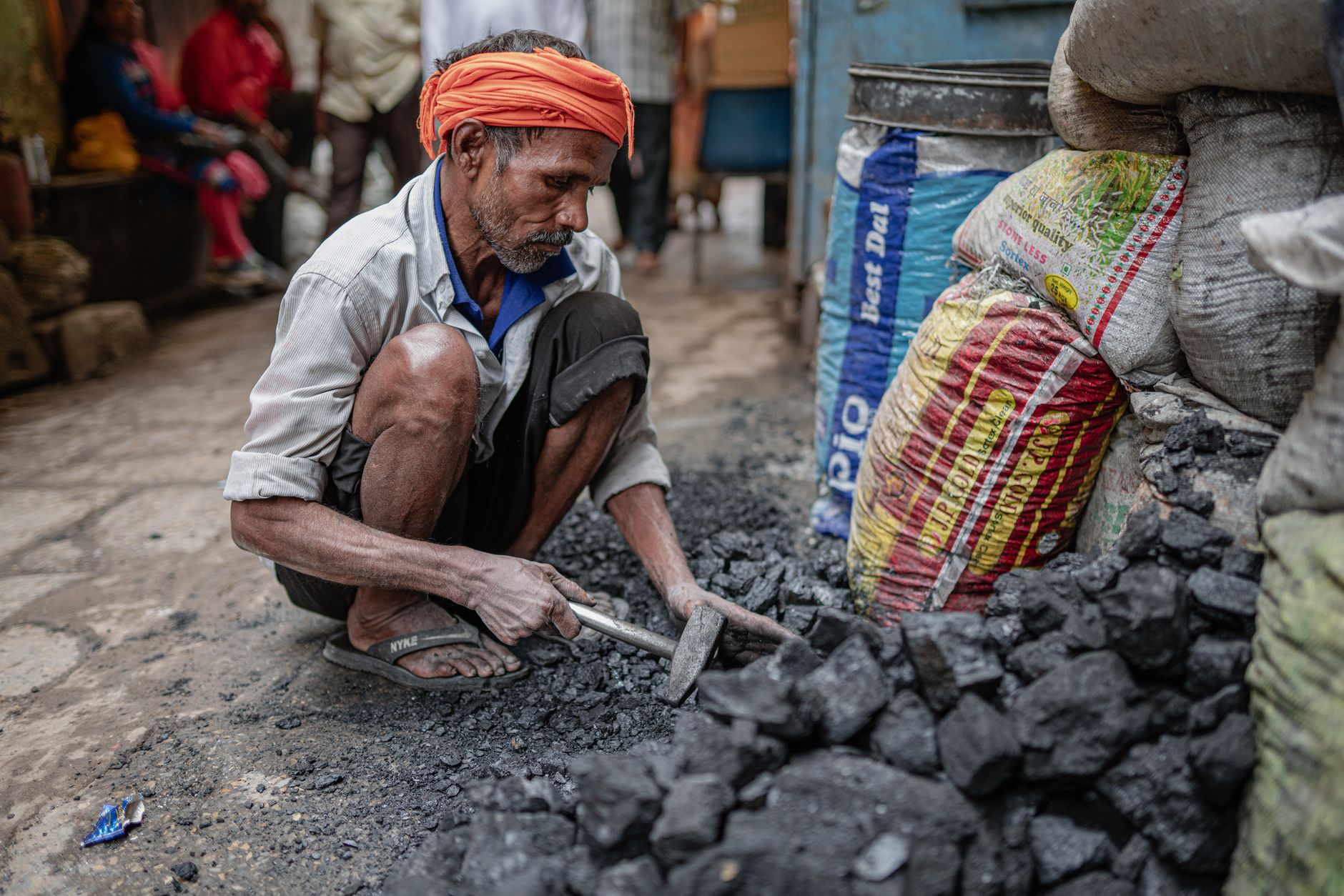
Creative Boom Creates Urban Livability Paradox
India's creative economy has become a major growth driver, attracting global investment across film production, advertising, digital media, gaming, and design services. However, new research from the London School of Economics reveals a sustainability paradox: the rapid expansion threatens the very urban environments that nurture creative talent.
The contradiction is clear. Creative industries flourish in cities offering cultural amenities, affordable housing, and vibrant public spaces. Yet as these sectors draw workers and capital, property prices surge, housing becomes unaffordable, and the conditions that originally attracted talent deteriorate. Bengaluru, Mumbai, and Delhi exemplify this cycle—thriving as creative hubs while struggling with congestion, pollution, and widening inequality.
What's Driving Creative Sector Expansion
India's creative economy spans Bollywood, regional cinema, IT-enabled design, animation, gaming, digital marketing, and content creation. Several factors fuel this growth: over 500 million internet users driving digital consumption, competitive cost advantages making India an outsourcing destination for global creative work, government startup initiatives, and rising domestic demand for entertainment.
Metropolitan areas have become talent magnets, creating clusters where creative professionals and tech firms concentrate. This agglomeration enhances productivity and innovation but simultaneously drives demand for urban space, inflating real estate costs and overwhelming infrastructure.
The Affordability and Infrastructure Challenge
As creative industries pull workers into urban centres, housing demand spikes. In Mumbai, Bengaluru, and Delhi, the influx of young professionals in advertising, tech, and media has pushed residential property prices beyond reach for average earners. Previously affordable neighbourhoods transform into luxury zones, displacing long-time residents and forcing workers toward distant suburbs.
This dispersal creates longer commutes, reduces leisure time, and increases transportation costs—eroding the work-life balance that initially attracts creative talent. The LSE research emphasizes that without intervention, cities become too expensive and congested to retain the very professionals these industries depend upon.
Rapid urban growth strains water supply, electricity, waste management, and public transport. Creative industry hubs often concentrate in commercial districts lacking adequate infrastructure for worker volumes. Traffic worsens, public transit becomes overcrowded, and air quality declines. The environmental footprint from construction to energy consumption undermines sustainability and public health.
Gentrification Reshapes Urban Fabric
Creative sector development reshapes neighbourhood character. Cafés, galleries, and startup spaces cater to young professionals, but local communities face displacement through rising costs. This creates social fragmentation—thriving creative bubbles surrounded by struggling neighbourhoods with inadequate public services. The cultural diversity that originally made these areas attractive diminishes through economic homogeneity.
Policy Solutions for Balanced Growth
Addressing the sustainability paradox requires deliberate policy intervention. Governments must support creative growth while managing urban costs. Key approaches include distributed growth by encouraging creative clusters in secondary cities with affordable housing and available infrastructure, reducing pressure on top-tier metros.
Affordable housing policies should mandate affordable units in new developments and protect existing affordable neighbourhoods from speculative displacement. Infrastructure investment must expand public transport, water systems, and waste management ahead of industry growth rather than reacting later.
Mixed-use development integrating housing, workspaces, and public amenities can reduce commute distances and preserve neighbourhood character. Remote work support enables digital creative professionals to work from smaller cities and towns, distributing economic opportunity beyond metro centres.
Stakes for India's Economic Future
India's creative economy holds potential to generate employment, export revenue, and cultural soft power. Realizing this potential depends on maintaining cities that are both economically dynamic and liveable. The sustainability paradox reflects policy choices and investment priorities, not inevitability.
Cities that manage this balance—investing in transit, protecting affordable housing, and distributing growth geographically—will sustain their creative advantage. Those that don't will face brain drain as talented professionals migrate to more liveable alternatives in other Indian cities or abroad.
The challenge is urgent. India's urban centres stand at a crossroads. Decisions made over the next five years on housing policy, infrastructure investment, and growth distribution will determine whether the creative economy drives inclusive prosperity or becomes a story of opportunity captured by the few in unliveable megacities.
Based on reports from Google News — Indian Economy.
Impact analysis
MIXEDCreative economy growth supports IT services, media, and real estate sectors but unsustainable urban expansion risks talent retention and long-term competitiveness. Infrastructure investment needs present opportunities in construction, utilities, and transit-related stocks.
- →Rising real estate prices in metro creative hubs benefit developers but threaten affordability for talent pools
- →Infrastructure strain creates demand for public transport, water management, and urban development solutions
- →Secondary city development could redistribute economic activity, benefiting regional real estate and service providers
- →Talent migration risks could impact IT services and digital media firms concentrated in unaffordable metros
What to watch next
Monitor government announcements on affordable housing mandates, infrastructure budgets for metro transit expansion, and incentives for creative industry clusters in tier-2 cities. Rising property prices in Bengaluru, Mumbai, and Delhi relative to wage growth will signal worsening affordability.
Frequently asked
How does India's creative economy impact investors?+
The creative economy drives growth in IT services, media, entertainment, and digital platforms, creating opportunities in these sectors. However, unsustainable urban expansion and infrastructure strain pose long-term risks to talent retention and competitiveness, requiring investors to watch policy responses on housing and infrastructure investment.
Which sectors benefit from creative economy growth?+
IT services, digital media, entertainment, advertising, real estate (in creative hubs), construction, and infrastructure sectors benefit. Companies providing urban solutions—public transport, water management, affordable housing—stand to gain from policy interventions addressing sustainability challenges.
What are the risks of rapid creative sector expansion?+
Risks include housing unaffordability displacing talent, infrastructure overload reducing quality of life, environmental degradation, and social inequality. If unaddressed, these could trigger talent migration to other cities or countries, undermining India's competitive advantage in creative industries.
Based on reports from Google News — Indian Economy.
More in Economy
View all →
Impact of US-Iran War on India's Economy and Stability

India's Economic Stability at Risk Amid US-Iran Tensions
India Faces Economic Challenges Amid Ongoing US-Iran Conflict

Impact of US-Iran War on India's Economic Stability
India Faces Economic Crisis Amid US-Iran Tensions
