
India's Economy Shows Resilience Amid West Asia Crisis, Consumption Shifts
Domestic demand and digital transformation buffer external shocks as consumer behaviour reshapes markets
Domestic Strength Cushions External Shocks
India's economy continues to demonstrate robust resilience even as geopolitical tensions in West Asia create global uncertainty. The nation is maintaining a growth trajectory that outpaces most major economies, supported by strong domestic consumption and strategic policy interventions.
While the West Asia crisis has disrupted global supply chains and created volatility in energy markets, India's diversified economic base has provided an effective buffer. The government's focus on energy security—through renewable expansion, domestic production, and strategic reserves—has limited direct impact on industrial activity and inflation pressures.
Supply Chain Pressures Remain Manageable
The ongoing tensions in West Asia have increased logistics costs and extended delivery timelines for Indian businesses. Shipping disruptions through critical maritime routes pose challenges for both importers and exporters.
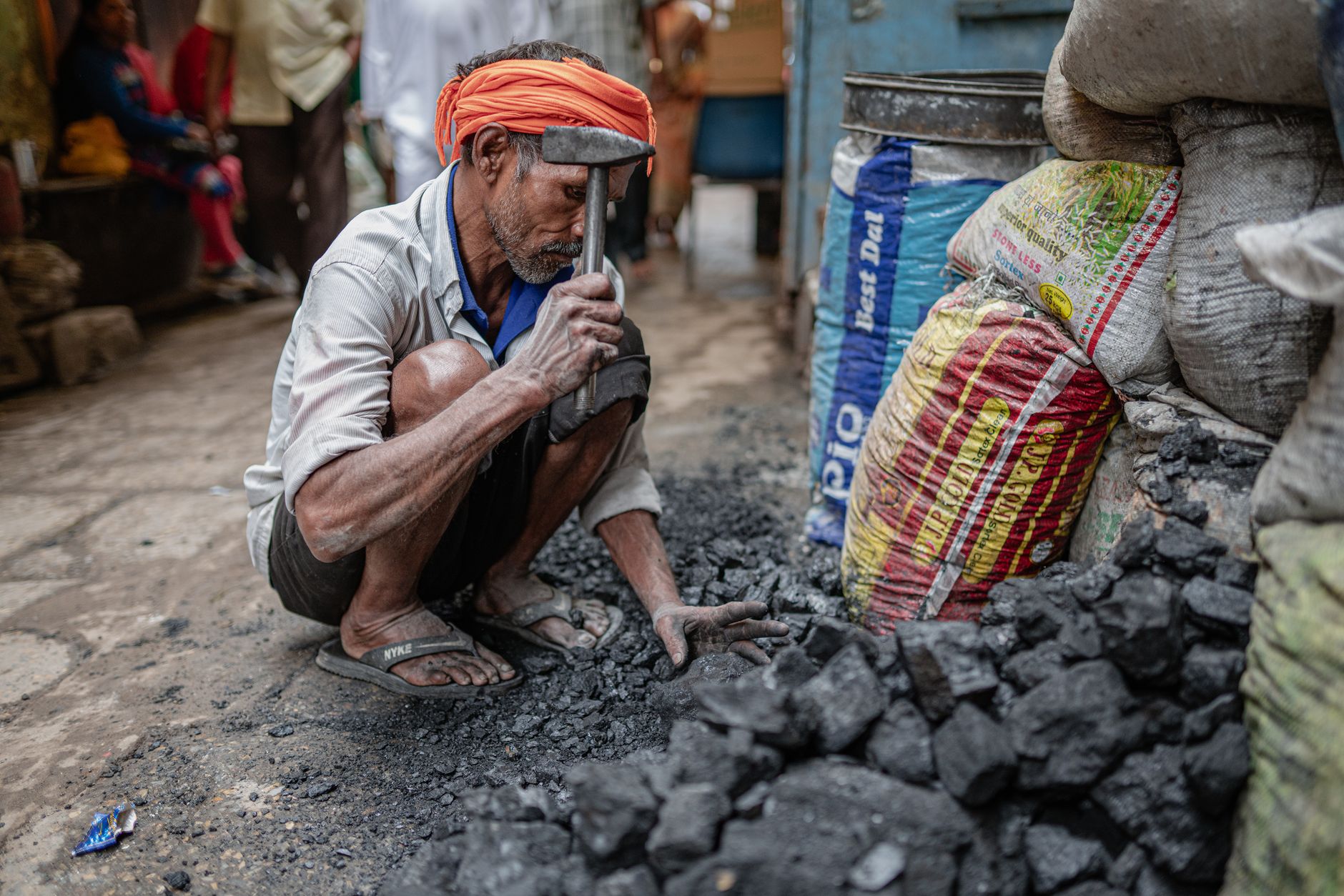
However, India's energy diversification strategy has proven effective. The push toward renewable power, combined with steady domestic coal production, has reduced vulnerability to oil price volatility. This transition has simultaneously created fresh investment opportunities and employment across the green energy sector.
Digital Revolution Transforms Consumer Markets
A parallel transformation is reshaping India's consumer landscape. Digital penetration has accelerated dramatically, with e-commerce now commanding significant market share across categories—from groceries to electronics to fashion.
Urban consumers increasingly prioritise convenience, driving explosive growth in quick commerce, subscription services, and omnichannel retail. This shift forces traditional retailers and established brands to reinvent their business models. Companies successfully integrating online and offline channels are capturing market share, while those hesitant to adapt face margin pressures.
The Unified Payments Interface (UPI) has become mainstream, with transaction volumes reaching unprecedented levels. Digital payments now form the backbone of India's retail economy, enabling seamless commerce across geographies.
Clear Sectoral Winners Emerge
Technology and financial services sectors continue attracting substantial investor capital and top talent. E-commerce and quick commerce platforms are rapidly expanding delivery networks and inventory distribution systems. These digital-first businesses benefit from changing consumer preferences and improved infrastructure.
Traditional brick-and-mortar retail and conventional logistics face headwinds. However, many are responding by embracing digital tools to streamline operations and enhance customer reach. The unorganised trade sector, while still significant, is gradually formalising and adopting technology.
Consumption Engine Drives Growth
Despite external challenges, India's domestic consumption story remains compelling. Rising incomes, improved credit access, and growing aspirations among 1.4 billion people fuel demand across consumer goods, services, and experiences.
Government infrastructure spending sustains employment and purchasing power in rural and semi-urban areas. Rural consumption, which faced stress from monsoon variability and agricultural challenges, shows stabilisation signs. Income transfer schemes and agricultural support prices provide relief to farming communities.
Urban consumption grows at a healthy pace, powered by job creation in services and technology sectors. This internal demand strength buffers India against global economic cycles, allowing sustained growth momentum even when international demand weakens. Economists highlight this self-reliance as a key differentiator from export-dependent economies.
Balanced Policy Approach
The Reserve Bank of India's monetary policy and government fiscal interventions balance growth objectives with price stability. While inflation has moderated from recent peaks, the central bank remains alert to commodity price spikes triggered by geopolitical developments.
Looking forward, India's structural advantages remain intact—young demographics, rising digital adoption, and improving infrastructure create compelling opportunities. However, execution risks around policy implementation, global demand recovery, and inflation management require vigilance.
For investors and businesses, the current environment emphasises building resilience, diversifying revenue streams, and tracking evolving consumer preferences. Companies aligned with digital transformation, sustainability, and customer-centricity appear best positioned for success in India's dynamic economy.
Based on reports from Google News — Indian Economy.
Impact analysis
BULLISHIndia's resilient domestic consumption and digital transformation create opportunities in technology, e-commerce, and financial services sectors. Traditional retail and logistics face margin pressures but are adapting through digitalisation.
- →E-commerce and quick commerce platforms benefit from accelerating digital adoption and changing urban consumption patterns
- →Technology and financial services sectors attract sustained capital inflows amid digital payments growth and UPI expansion
- →Energy diversification and renewable focus reduce vulnerability to West Asia tensions while creating green sector opportunities
- →Traditional retail and brick-and-mortar businesses face headwinds but those investing in omnichannel strategies can capture market share
What to watch next
Monitor upcoming inflation data and RBI monetary policy decisions for signs of commodity price pressures from West Asia tensions. Track quarterly results from e-commerce, digital payments, and consumer goods companies to gauge consumption strength and digital transformation progress.
Frequently asked
How is India managing the West Asia crisis impact on oil prices?+
India has reduced vulnerability through energy diversification—expanding renewable power capacity, increasing domestic coal production, and maintaining strategic petroleum reserves. This multi-pronged approach limits direct impact on industrial growth and inflation despite global oil market volatility.
Which sectors benefit most from changing consumer behaviour in India?+
Technology, e-commerce, quick commerce, and financial services sectors are primary beneficiaries. Digital payments platforms, online retail, and companies offering omnichannel experiences are capturing market share as consumers prioritise convenience and digital-first shopping.
Is India's domestic consumption strong enough to sustain growth?+
Yes, domestic consumption from 1.4 billion people remains the primary growth engine. Rising incomes, improved credit access, government infrastructure spending, and rural support schemes sustain purchasing power. This internal demand buffers India against global economic cycles, unlike export-dependent economies.
Based on reports from Google News — Indian Economy.
More in Economy
View all →
Impact of US-Iran War on India's Economy and Stability

India's Economic Stability at Risk Amid US-Iran Tensions
India Faces Economic Challenges Amid Ongoing US-Iran Conflict

Impact of US-Iran War on India's Economic Stability
India Faces Economic Crisis Amid US-Iran Tensions
