
India's GDP Growth Slows Sharply: From Goldilocks Economy to Cinderella Story
Consumption weakens, manufacturing disappoints, rural distress deepens as structural challenges mount
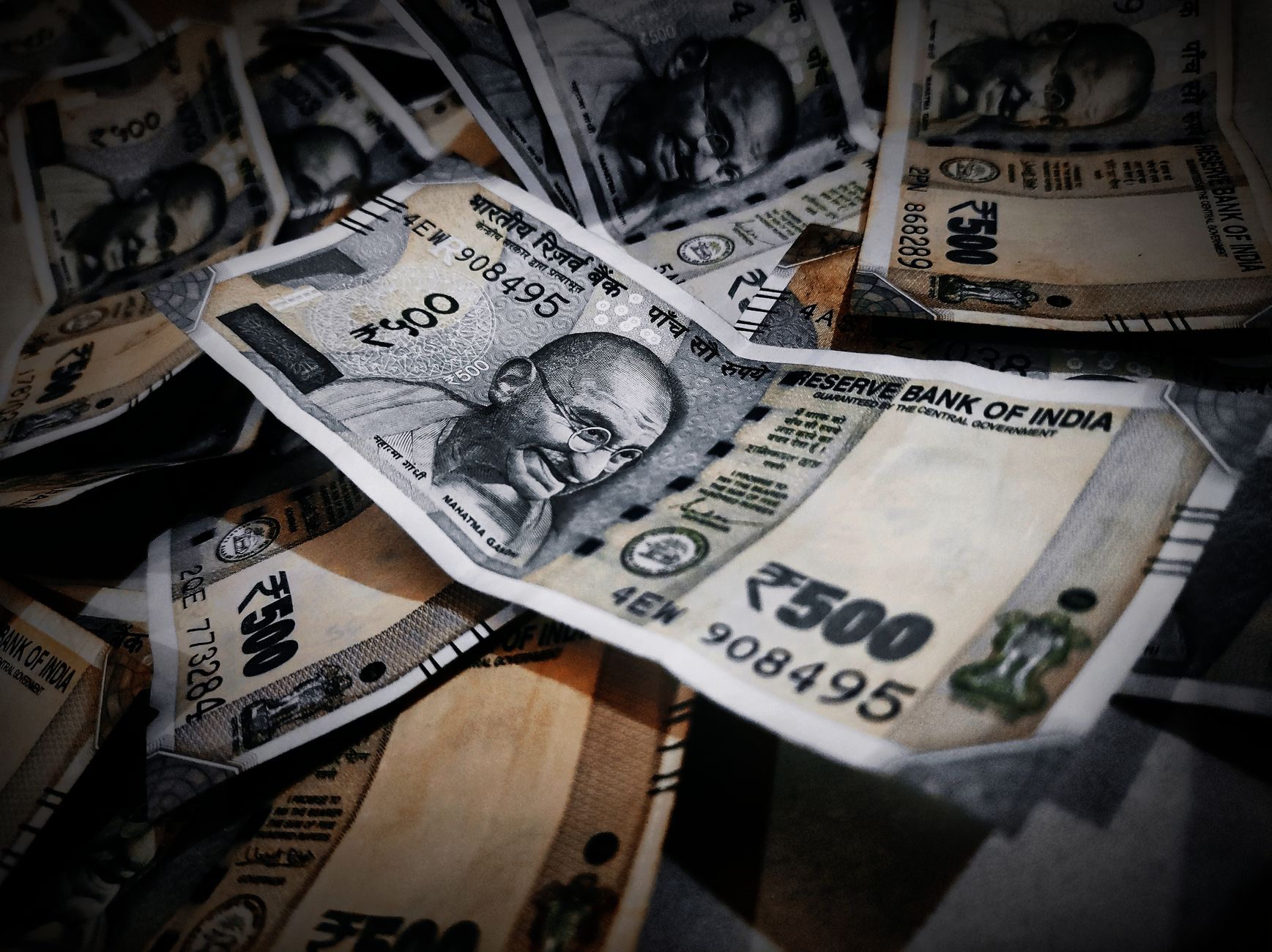
The Goldilocks Era Ends
India's economy is losing its lustre. For years, the country enjoyed balanced growth—neither overheating nor stalling—with inflation in check and a young workforce ready to drive prosperity. Investors flocked in. Policymakers celebrated. The middle class grew steadily.
That narrative is crumbling. Growth is decelerating. Consumer spending is weakening. Investment appetite is fading. What looked like a permanent structural boom now appears vulnerable to cyclical headwinds that policymakers underestimated.
When Midnight Strikes: The Cinderella Transition
The Cinderella metaphor fits uncomfortably well. The fairy tale is ending as the clock nears midnight. India's GDP growth has slowed significantly from the double-digit rates recorded in earlier quarters. Manufacturing output remains anaemic. Services—the traditional growth engine—are losing momentum.
Youth unemployment stays stubbornly elevated despite official job-creation claims. Consumer spending, which contributes 55-60% of GDP, faces mounting pressure. Rural consumption is particularly stressed. Over 60% of Indians depend on agriculture, and weak monsoons in several regions have crushed rural incomes and purchasing power.
Structural Weaknesses Exposed
Manufacturing Fails to Deliver
India's manufacturing push has underperformed badly. Despite 'Make in India' and production-linked incentive schemes, promised manufacturing jobs never materialised at scale. Capital-intensive factories don't create mass employment. Global supply chains remain fragile. Vietnam and Southeast Asian competitors continue gaining ground.
Private Investment Stays Muted
Government capital expenditure has supported growth, but fiscal limits are approaching. Private investment—the real indicator of business confidence—remains subdued. Companies hesitate to expand when demand is uncertain. Banks, cautious after asset-quality scares, aren't aggressively financing new projects.
The Inflation Trap
Headline inflation has cooled, but food prices stay elevated across many categories. This creates a policy dilemma for the Reserve Bank of India. Growth needs rate cuts, but persistent food inflation limits monetary easing. Consumer price inflation, driven by volatile food components, erodes real purchasing power for low-income households.
Global Pressures Mount
India cannot escape global turbulence. Slowdowns in advanced economies hurt export demand. Trade uncertainties and geopolitical tensions disrupt commerce. The rupee has weakened, making imports costlier and fuelling inflation in traded goods.
Foreign portfolio investment flows have turned volatile. After years of steady inflows, India now competes harder for global capital. Higher interest rates in developed markets attract international investors away from emerging markets.
The Path Forward Requires Urgency
The shift from Goldilocks to Cinderella isn't permanent destiny. But reversing it demands urgent action across multiple fronts.
The government must focus on genuine job creation, not statistical manipulation. Banks need to clean balance sheets and resume productive lending. Long-delayed labour reforms are essential for manufacturing competitiveness. Agricultural productivity must improve to support rural incomes. Policymakers must resist relying solely on fiscal stimulus when structural reforms matter most.
This slowdown is both warning and opportunity. Easy gains from demographic dividends and catch-up growth are fading. Progress now requires harder work—in education, infrastructure, institutional quality, and policy coherence.
India's economic story need not end like Cinderella's carriage turning to pumpkin. But time is running out. Policymakers, businesses, and investors must act with urgency to ensure the next chapter brings renewed vigour, not prolonged stagnation.
Based on reports from Google News — Indian Economy.
Impact analysis
BEARISHBroad-based economic slowdown signals caution for equity markets, particularly consumption and manufacturing stocks. Defensive sectors and export-oriented IT may show relative resilience amid domestic demand weakness.
- →Consumer discretionary and FMCG stocks face headwinds from weak rural demand and subdued consumption growth
- →Banking sector remains constrained by cautious lending and muted private investment, limiting credit growth
- →Capital goods and infrastructure plays may benefit from continued government capex, but private sector participation remains critical
- →Export-focused IT and pharma sectors could outperform given rupee depreciation, though global demand slowdown poses risks
What to watch next
Watch the upcoming quarterly GDP data release and RBI's monetary policy decision for signals on rate cuts. Monitor rural consumption indicators like two-wheeler sales, tractor sales, and FMCG rural growth. Track foreign portfolio investment flows and rupee movements as global rate dynamics evolve.
Frequently asked
Why is India's economic growth slowing down now?+
Multiple factors are converging: weak rural consumption due to agricultural distress, muted private investment despite government spending, disappointing manufacturing performance, and global headwinds affecting exports. The easy gains from demographic dividends are diminishing, exposing structural weaknesses that require deeper reforms.
What does this slowdown mean for my stock portfolio?+
Stocks dependent on domestic consumption—FMCG, autos, consumer durables—may underperform. Banks could face slower credit growth. Defensives and export-oriented sectors like IT and pharma may show relative resilience. Diversification and a focus on quality companies with strong balance sheets becomes more important in this environment.
Will the RBI cut interest rates to support growth?+
The RBI faces a dilemma. While growth slowdown warrants rate cuts, persistent food inflation limits their room to ease aggressively. Any rate cuts will likely be gradual and data-dependent, balancing growth support with inflation control. Watch upcoming monetary policy statements for forward guidance.
Is this slowdown temporary or long-term?+
The slowdown has both cyclical and structural components. Cyclical issues like weak monsoons may improve, but structural challenges—job creation, manufacturing competitiveness, banking sector health—require sustained policy reforms. Without urgent action on structural fronts, the slowdown could persist longer than comfortable.
Based on reports from Google News — Indian Economy.
More in Economy
View all →
Impact of US-Iran War on India's Economy and Stability

India's Economic Stability at Risk Amid US-Iran Tensions
India Faces Economic Challenges Amid Ongoing US-Iran Conflict

Impact of US-Iran War on India's Economic Stability
India Faces Economic Crisis Amid US-Iran Tensions
