
Japan Bans Indian Mangoes After 20 Years Over Quality Concerns
Compliance failures trigger export restriction, threatening premium agricultural market access and farmer incomes
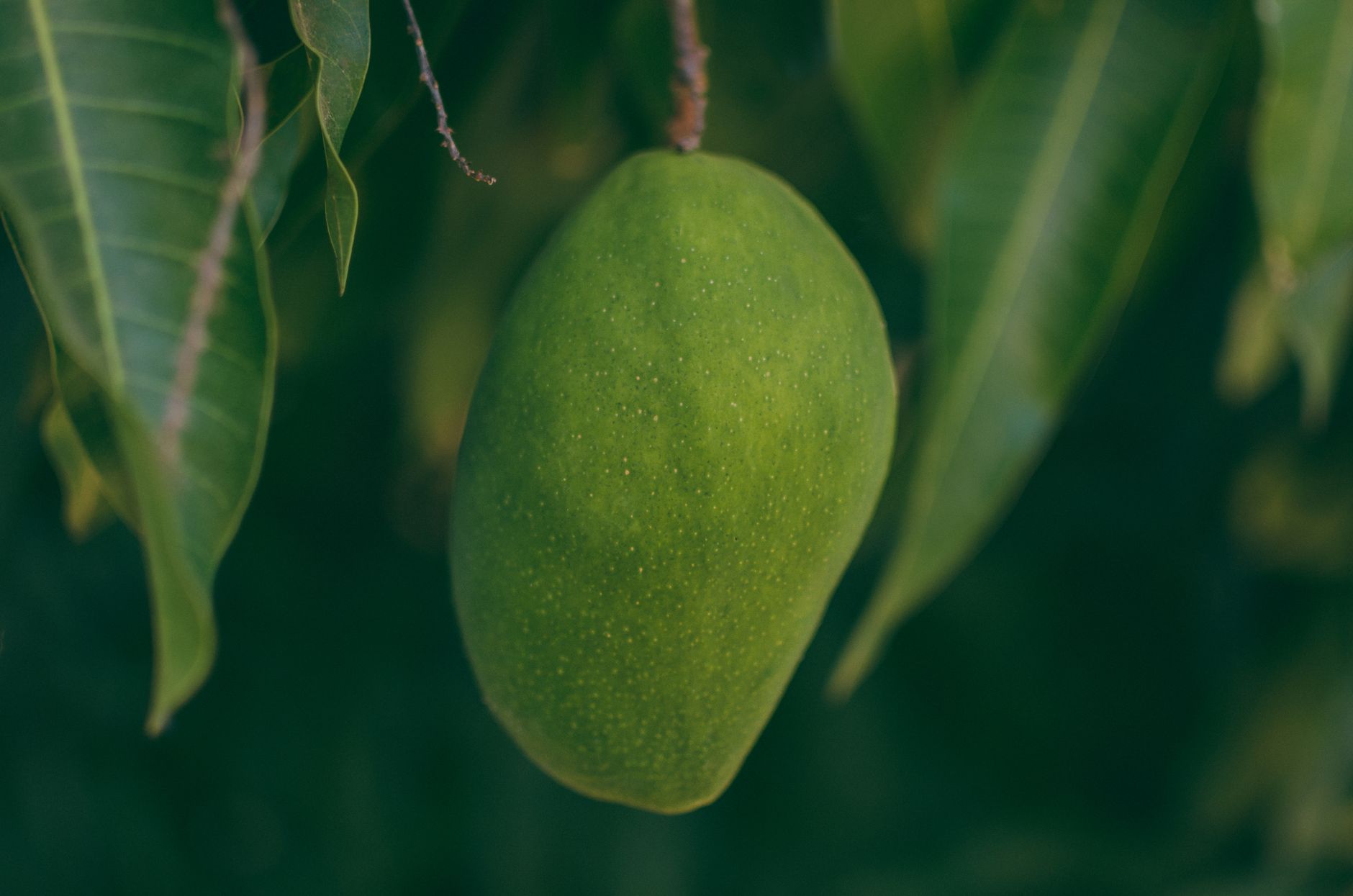
Premium Market Access Lost as Japan Reinstates Mango Ban
India's agricultural export sector faces a significant setback. Japan has reimposed its ban on Indian mango imports after allowing them for two decades. The move threatens a lucrative premium market segment and raises questions about India's quality control systems for agricultural exports.
The ban affects exporters who spent years building relationships with Japanese buyers. It also impacts thousands of mango farmers in Maharashtra, Uttar Pradesh, and Andhra Pradesh who cultivate premium varieties specifically for developed markets. Japanese consumers pay 2-3 times more than domestic Indian prices for varieties like Alphonso and Kesar.
Compliance Failures Trigger Action
Japanese authorities identified specific issues with phytosanitary standards and pest management protocols. India failed to meet Japan's stringent requirements for agricultural imports. These standards protect Japanese consumers and domestic agriculture from pests and diseases.
Japan operates one of the world's most rigorous food import systems. Exporters must provide detailed documentation covering cultivation practices, pest treatment certifications, and quarantine protocols. Recent shipments apparently violated these requirements, prompting immediate action from Japanese regulators.
The decision indicates systematic compliance gaps rather than isolated incidents. Japan does not impose trade restrictions lightly, especially after 20 years of market access. Indian authorities must now prove they can consistently meet international quality benchmarks.
Economic Impact Extends Beyond Direct Exports
The ban damages multiple stakeholders across India's agricultural value chain. Mango orchardists lose access to their most profitable market segment. Export-oriented farmer cooperatives that invested in Japanese compliance infrastructure face stranded assets.
Cold chain logistics providers specializing in premium fruit exports will see reduced volumes. Packaging facilities that met Japanese specifications lose a major client base. The ripple effects extend to rural employment in mango-growing regions during harvest and processing seasons.
India's foreign exchange earnings from agricultural exports take a hit. Premium mango exports generate significantly higher dollar revenues per tonne compared to commodities like rice or wheat. Losing Japan creates a gap that cannot be easily filled by redirecting supplies to other markets.
Reputation Risk for India's Export Push
The ban threatens India's broader agricultural export ambitions. The government has prioritized expanding market access in developed economies. Quality issues in one product category can trigger scrutiny across all Indian agricultural exports.
Other importers may review their own compliance protocols for Indian products. The European Union, United States, and Australia maintain similarly strict standards. If Japan's concerns prove valid, these markets could implement enhanced inspection regimes or preventive restrictions.
India's reputation as a reliable supplier of quality produce faces damage. Building trust with premium markets requires years of consistent compliance. Losing it takes only one significant violation. Exporters in unrelated agricultural categories may face collateral damage through increased scrutiny.
Path to Lifting the Ban
India must take immediate corrective action. The Ministry of Commerce & Industry needs to conduct comprehensive audits of mango cultivation and export protocols. Identifying exact compliance failures comes first.
Upgrading testing infrastructure at ports and packaging facilities becomes essential. Modern certification systems with digital traceability can document the complete journey from orchard to export vessel. This transparency helps rebuild confidence with Japanese regulators.
Diplomatic engagement between Indian and Japanese agricultural authorities must begin urgently. Understanding precise requirements and demonstrating sustained corrective measures can eventually restore market access. However, this process typically takes months or years.
Exporters need stronger quality assurance mechanisms. Third-party audits, integrated pest management systems, and enhanced training for orchardists can prevent future violations. Investment in agricultural certification infrastructure protects against similar bans from other markets.
Lessons for India's Agricultural Sector
This incident highlights vulnerabilities in India's export-oriented agriculture. Market access in developed economies demands consistent excellence, not occasional compliance. Quick expansion without robust quality systems creates long-term risks.
India must balance volume growth with quality maintenance. The government's push for higher agricultural exports requires parallel investment in testing laboratories, trained inspectors, and modern cold chain infrastructure. Shortcuts in compliance ultimately prove more expensive than upfront investment.
The mango ban serves as a wake-up call for other agricultural export sectors. Basmati rice, spices, marine products, and fresh produce all face similar risks if quality control systems fail. Proactive compliance rather than reactive damage control must become the operating principle.
Based on reports from Google News — Indian Economy.
Impact analysis
BEARISHThe ban creates near-term headwinds for agricultural exporters and logistics firms serving premium markets. Broader market impact remains limited as mangoes represent a small fraction of India's total exports, though reputation damage could affect other agricultural categories.
- →Export-focused agribusinesses lose access to high-margin Japanese market, reducing profitability for companies dependent on premium fruit exports
- →Cold chain and logistics providers servicing agricultural exports face volume pressure as Japan redirects to alternative suppliers
- →Potential ripple effects for other agricultural exports if importing nations increase scrutiny on Indian produce quality standards
What to watch next
Monitor announcements from India's Ministry of Commerce regarding diplomatic engagement with Japanese authorities and any corrective action plans. Watch for potential inspection regime changes from other major importers like the EU or US that could signal broader scrutiny of Indian agricultural exports.
Frequently asked
Why did Japan ban Indian mangoes specifically now?+
Japanese authorities identified violations of their phytosanitary standards and pest management requirements in recent shipments. The specific compliance failures likely involved pest presence, inadequate treatment certifications, or disease management protocol breaches that didn't meet Japan's strict import regulations.
Which Indian companies are most affected by this ban?+
While no specific listed companies are mentioned, the ban primarily impacts export-oriented farmer cooperatives, agribusinesses specializing in premium fruit exports, and cold chain logistics providers servicing the Japan route. Mid-sized agricultural exporters focused on developed markets face the most significant revenue impact.
Can this ban affect other Indian agricultural exports?+
Yes, potentially. Quality concerns in one category can trigger enhanced scrutiny across all Indian agricultural exports. Other importing nations may review compliance protocols for products like basmati rice, spices, or marine products if they believe India has systematic quality control issues.
How long will it take to lift the ban?+
Historically, reversing such bans requires sustained diplomatic engagement and demonstrated compliance improvements, typically taking several months to years. India must conduct audits, implement corrective measures, upgrade infrastructure, and prove consistent adherence to Japanese standards before market access can be restored.
Based on reports from Google News — Indian Economy.
More in Economy
View all →
Impact of US-Iran War on India's Economy and Stability

India's Economic Stability at Risk Amid US-Iran Tensions
India Faces Economic Challenges Amid Ongoing US-Iran Conflict

Impact of US-Iran War on India's Economic Stability

India Faces Economic Crisis Amid US-Iran Tensions
