
RBI Affirms India's Economic Resilience, Eyes 6-7% Sustained Growth
Central bank confident domestic fundamentals strong despite global uncertainty and inflation concerns
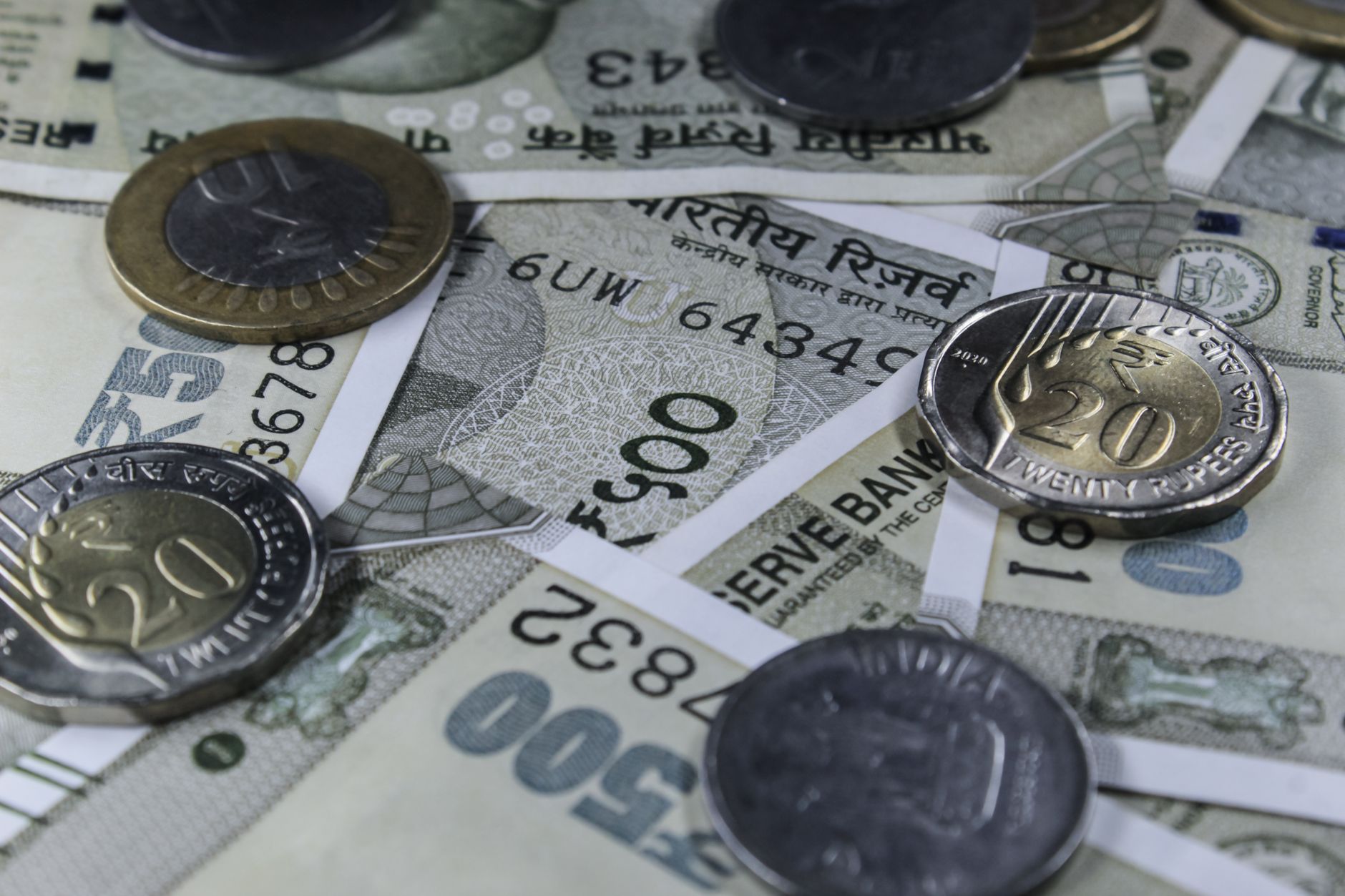
RBI Projects Confidence in India's Growth Trajectory
The Reserve Bank of India has issued a strong vote of confidence in the Indian economy, asserting that the nation is well-positioned for sustained high growth despite global headwinds. This assessment arrives at a crucial moment when international economic uncertainty makes domestic resilience increasingly critical for investor confidence and policy stability.
The central bank's optimism centres on India's diversified economic structure and robust domestic demand, which provide insulation against external shocks. This stance will significantly influence monetary policy decisions and market sentiment in coming quarters.
Multiple Growth Engines Firing Simultaneously
India's economic strength stems from balanced growth across manufacturing, services, and agriculture. The services sector—led by information technology and business process outsourcing—continues attracting substantial global capital and creating employment opportunities. The Make in India initiative has started delivering measurable results, with manufacturing output registering improvement in recent quarters.
Agricultural production remains stable despite regional weather challenges, supporting rural incomes and consumption patterns. This sectoral diversity acts as a buffer, preventing concentrated industry shocks from derailing overall growth—a key factor underpinning RBI's positive outlook.
Domestic Demand Provides Growth Cushion
Consumer spending patterns reveal healthy demand conditions across the country. Urban consumption has recovered strongly from pandemic disruptions, while rural demand strengthens gradually as farm incomes improve. This internal consumption momentum shields the economy from external trade volatility and currency fluctuations.
Investment activity from both domestic and foreign sources continues expanding productive capacity. Government capital expenditure remains robust, driving infrastructure development and generating multiplier effects throughout the economy. These combined factors support the RBI's high growth assessment.
Balancing Inflation Control With Growth Support
While inflation management remains a priority, the RBI maintains a calibrated interest rate approach that balances price stability with growth requirements. The central bank targets 4% headline inflation with a ±2% tolerance band, providing operational flexibility.
Recent inflation data shows moderation in core segments, though volatile commodity prices—particularly crude oil and food items—present ongoing risks. The RBI's confidence suggests belief that inflation can be managed without severely hampering growth momentum.
India Outperforms Amid Global Slowdown
The RBI's positive evaluation gains importance against slowing growth in advanced economies and persistent global market uncertainty. While India remains connected to international trade and capital flows, the central bank highlights the nation's ability to maintain momentum through strong domestic demand even when global conditions deteriorate.
Foreign direct investment inflows have remained relatively stable, demonstrating investor faith in India's long-term prospects despite near-term global volatility. The rupee has shown greater stability compared to other emerging market currencies facing similar external pressures.
Demographic and Digital Advantages Drive Future Growth
India's favourable demographics—with a median age around 28 years—ensure a growing working-age population and expanding consumption base for decades ahead. This structural advantage, combined with improving education and skill development, enhances productivity potential and attracts knowledge-intensive investment.
Digital adoption across sectors from financial services to agriculture is raising efficiency and reducing transaction costs. Government initiatives promoting financial inclusion, digital infrastructure, and startup ecosystems broaden the growth base beyond traditional economic centres.
Medium-Term Outlook Remains Strong
The RBI's outlook aligns with consensus forecasts from multilateral institutions projecting Indian GDP growth in the 6-7% range over the medium term. This growth rate, while moderating from pandemic recovery peaks, remains among the fastest globally for major economies.
Government capital expenditure announcements in recent budgets signal continued infrastructure, renewable energy, and social sector investment focus. These allocations are expected to generate employment, enhance productivity, and create foundations for sustained expansion beyond the current fiscal cycle.
The central bank's confidence reflects conviction that structural strengths outweigh cyclical challenges. This assessment reassures policymakers, investors, and citizens that despite near-term headwinds, India's economy possesses the fundamentals to deliver robust growth and rising living standards in coming years.
Based on reports from Google News — Indian Economy.
Impact analysis
BULLISHRBI's confidence in sustained 6-7% growth reinforces positive sentiment for domestic-focused sectors and validates India's valuation premium over emerging market peers. The balanced approach to inflation management suggests stable policy rates, supporting equity valuations and consumption-driven businesses.
- →Banking and financial services sectors benefit from continued economic expansion and credit growth
- →Infrastructure and capital goods companies gain from sustained government capital expenditure commitments
- →Consumer discretionary stocks supported by improving rural and urban consumption patterns
- →IT and services sectors retain global competitiveness with stable macroeconomic environment
- →Defensive sectors like FMCG and pharma maintain stability amid balanced growth outlook
What to watch next
Monitor upcoming quarterly GDP data and monthly inflation readings to validate RBI's growth and price stability projections. Watch for any shifts in global commodity prices, particularly crude oil, and foreign investment flows that could impact the rupee and growth trajectory.
Frequently asked
Why is the RBI confident about India's economic growth?+
The RBI cites India's diversified economy across manufacturing, services, and agriculture, strong domestic consumption, stable foreign investment, favourable demographics, and government infrastructure spending as key factors supporting sustained 6-7% growth despite global uncertainty.
What does this mean for stock market investors?+
RBI's positive outlook supports bullish sentiment for domestic-focused sectors like banking, infrastructure, consumer goods, and IT services. The expectation of stable interest rates and sustained growth makes Indian equities attractive, particularly for long-term investors seeking exposure to a resilient emerging market economy.
How is India managing inflation while supporting growth?+
The RBI uses a calibrated approach with a 4% inflation target and ±2% tolerance band, allowing flexibility to balance price stability with growth objectives. Recent core inflation moderation suggests this strategy is working, though commodity price volatility remains a monitored risk.
Which sectors benefit most from sustained high growth?+
Banking and financial services gain from credit expansion, infrastructure and capital goods from government spending, consumer discretionary from rising incomes, and IT services from global competitiveness. Essentially, broad-based growth benefits most domestic-focused sectors.
Based on reports from Google News — Indian Economy.
More in Economy
View all →
Impact of US-Iran War on India's Economy and Stability

India's Economic Stability at Risk Amid US-Iran Tensions
India Faces Economic Challenges Amid Ongoing US-Iran Conflict

Impact of US-Iran War on India's Economic Stability

India Faces Economic Crisis Amid US-Iran Tensions
